Discover how technology is transforming modern defense systems through artificial intelligence, cybersecurity, robotics, satellites, and advanced communication networks. Learn how innovation is shaping global security, strategy, and future defense technologies.
Introduction
Technology has become one of the most powerful forces shaping modern defense systems and global security strategies. From artificial intelligence and cybersecurity to robotics, satellite systems, and advanced communication networks, innovation is redefining how nations protect their borders and manage security challenges.
Unlike traditional defense systems that depended mainly on manpower and physical equipment, today’s systems rely heavily on data, automation, intelligence, and real-time connectivity. These advancements are not only improving efficiency but also transforming decision-making, coordination, and global defense strategies.
In this article, we explore how technology is reshaping modern defense systems, the key innovations driving this transformation, and what the future of defense technology may look like.
Evolution of Defense Technology
Defense technology has progressed through several major phases, each introducing new capabilities.
Early systems relied on basic communication methods and manual coordination. With industrial advancements, mechanized equipment improved speed and logistics. The digital revolution introduced computers and data systems, allowing faster processing and communication.
Today, modern defense systems are fully integrated with artificial intelligence, satellites, robotics, cybersecurity frameworks, and global communication networks. This evolution has created highly responsive and intelligent security systems.
Artificial Intelligence in Defense Systems
Artificial intelligence is one of the most important technologies shaping modern defense strategies.
AI systems can analyze large volumes of data, identify patterns, and assist in decision-making. Predictive analytics helps detect potential risks before they escalate, while automation reduces human workload in repetitive monitoring tasks.
AI also enhances situational awareness by combining data from multiple sources, helping create clearer and faster operational insights.
Surveillance and Monitoring Technology
Surveillance plays a critical role in modern security systems. Advanced technologies now allow real-time monitoring of large and complex environments.
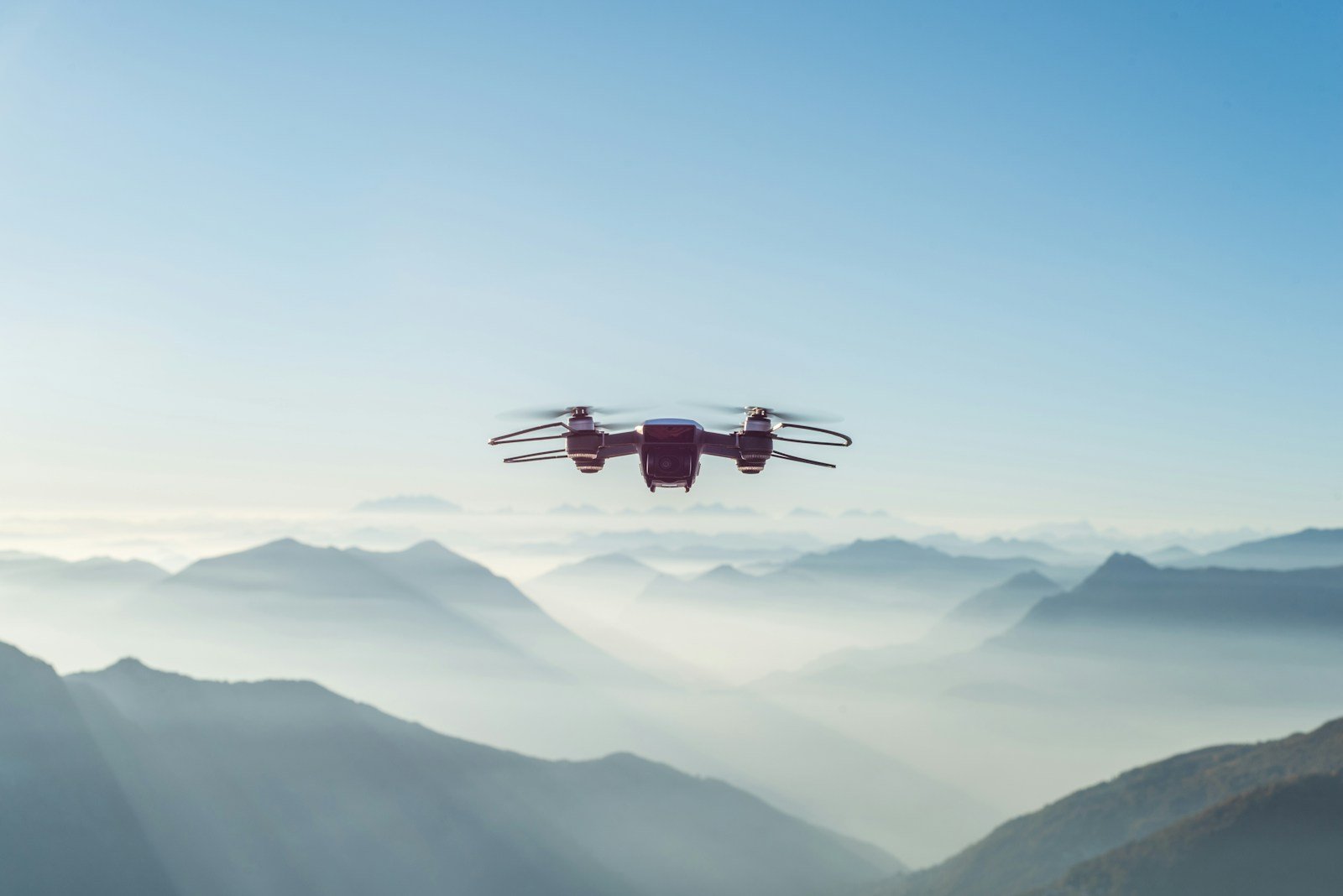
Satellite imaging provides high-resolution views of geographical areas, while aerial systems such as drones support observation and data collection. Ground-based sensors detect movement and environmental changes, helping improve awareness and response time.
When combined with AI, these systems create intelligent monitoring networks capable of processing and analyzing data instantly.
Cybersecurity in Modern Defense
As defense systems become more digital, cybersecurity has become a top priority.
Modern defense infrastructure depends heavily on secure networks that must be protected from cyber threats. Advanced encryption, authentication systems, and AI-based threat detection tools help secure sensitive information.
Cybersecurity also involves continuous monitoring to detect suspicious activity and prevent unauthorized access to critical systems.
Robotics and Automation
Robotic systems are increasingly used in modern defense environments to support operations and improve safety.
Autonomous systems can perform tasks in environments that may be risky or difficult for humans. Drones and robotic platforms are used for observation, logistics support, and environmental monitoring.
These systems are designed to assist human operators, improving efficiency while reducing exposure to dangerous conditions.
Satellite and Space-Based Systems
Satellite technology plays a vital role in modern defense infrastructure.
Global positioning systems support navigation and coordination, while earth observation satellites provide real-time imaging and environmental data. Communication satellites ensure secure and uninterrupted connectivity across regions.
Space-based systems also contribute to early warning mechanisms and global situational awareness.
Communication Systems and Real-Time Coordination
Modern defense operations rely on fast and secure communication systems.
Encrypted networks allow safe data exchange between units and departments. Satellite communication ensures global connectivity, while integrated systems enable real-time coordination during operations and emergencies.
These technologies improve response time and decision-making efficiency.
Logistics and Supply Chain Technology
Efficient logistics are essential for maintaining operational readiness.
Modern systems use automation, predictive analytics, and real-time tracking to manage resources effectively. AI helps optimize transportation routes and improve supply distribution, while digital inventory systems ensure accurate tracking of equipment and materials.
This level of efficiency reduces delays and improves operational performance.
Simulation and Training Technologies
Training systems have significantly improved through advanced technology.
Virtual reality and simulation platforms allow realistic training experiences without real-world risks. Augmented reality tools provide real-time guidance during training exercises.
These technologies help improve skill development, performance evaluation, and readiness.
Benefits of Technology in Defense Systems
Modern defense technology offers several key advantages:
- Faster decision-making through real-time data analysis
- Improved accuracy and reduced human error
- Enhanced safety for personnel
- Better coordination and communication
- Efficient resource and logistics management
- Stronger global collaboration
Challenges of Defense Technology
Despite its advantages, technology in defense also presents challenges.
Cybersecurity threats remain a major concern due to increased digital dependence. High costs of advanced systems can limit accessibility. Technical complexity requires skilled personnel for operation and maintenance.
Ethical concerns and system vulnerabilities also need careful management to ensure responsible use of technology.
Future of Defense Technology
The future of defense systems will be shaped by continuous innovation.
Artificial intelligence will become more advanced, enabling smarter analysis and automation. Integrated systems will connect communication, surveillance, and logistics more efficiently.
Emerging technologies such as quantum computing, autonomous systems, and space-based infrastructure will further transform global security frameworks.
Future systems are expected to be faster, more intelligent, and highly interconnected.
Conclusion
Technology has revolutionized modern defense systems by introducing intelligence, automation, and real-time connectivity. Innovations such as artificial intelligence, cybersecurity systems, satellite networks, robotics, and advanced communication tools are reshaping global security operations.
While challenges such as cybersecurity risks, ethical concerns, and costs remain important, the benefits of technological advancement are undeniable. Modern defense systems are now more efficient, responsive, and data-driven than ever before.
As technology continues to evolve, it will play an even greater role in shaping the future of global security and strategic operations.