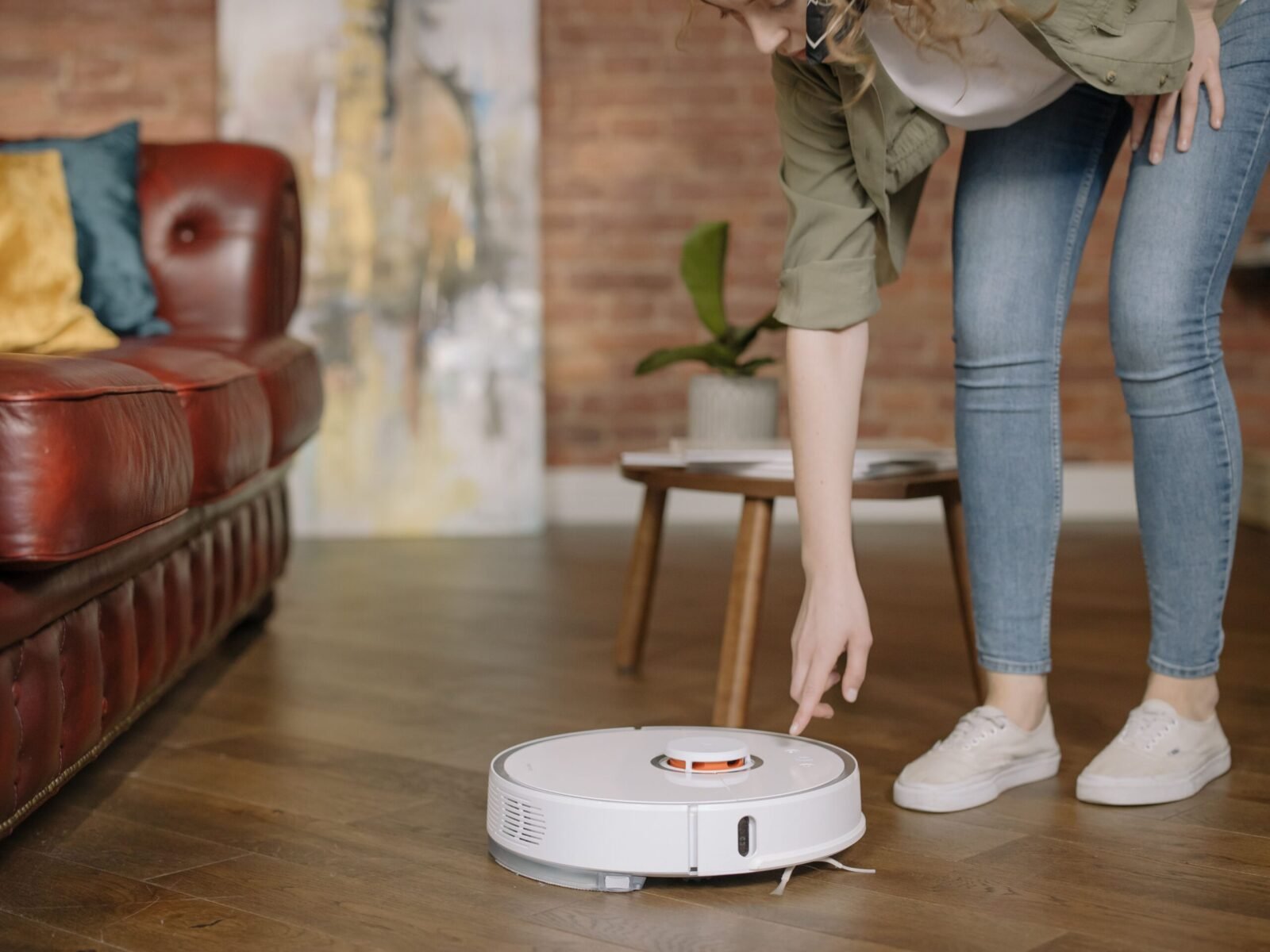
Technology has become an essential part of modern homes, changing the way people live, work, and manage daily responsibilities. Among the most exciting innovations in recent years are household robots and smart home technologies. These intelligent systems are designed to simplify everyday tasks, improve efficiency, enhance security, and provide greater convenience for homeowners.
What was once considered a futuristic dream is now a reality. Robotic vacuum cleaners clean floors automatically, smart assistants answer questions and control home devices, and intelligent security systems monitor homes around the clock. Advances in artificial intelligence, machine learning, sensors, and connectivity have made household robots more capable and affordable than ever before.
The growing popularity of household robots reflects a broader trend toward home automation and digital living. As technology continues to evolve, robots are becoming valuable assistants that help families save time, reduce effort, and improve their quality of life.
This article explores the rise of household robots, the technologies behind them, their benefits, challenges, and the future of smart homes.
The Evolution of Household Technology
The journey toward modern household robotics began with simple automated appliances.
Early Home Appliances
Traditional household devices such as washing machines, dishwashers, and vacuum cleaners reduced manual labor and improved convenience.
Introduction of Smart Devices
The development of internet-connected devices enabled homeowners to control appliances remotely and automate household functions.
Emergence of Household Robots
Advances in robotics and artificial intelligence led to the creation of robots capable of performing specific tasks independently.
The Smart Home Revolution
Today, household robots work alongside smart home systems, creating connected living environments that respond to user preferences and needs.
The combination of robotics and smart technology is transforming homes into intelligent ecosystems.
What Are Household Robots?
Household robots are automated machines designed to perform tasks within residential environments. They use sensors, software, and artificial intelligence to navigate spaces, interact with objects, and complete specific functions.
These robots can perform a variety of tasks, including:
- Cleaning floors
- Mowing lawns
- Monitoring home security
- Assisting elderly individuals
- Managing smart home systems
- Providing entertainment and companionship
Modern household robots are becoming increasingly intelligent, allowing them to adapt to changing environments and user requirements.
Robotic Vacuum Cleaners
One of the most successful examples of household robotics is the robotic vacuum cleaner.
Automated Cleaning
These robots navigate rooms independently, removing dust, dirt, and debris from floors.
Smart Navigation
Advanced sensors help robotic vacuums avoid obstacles, detect stairs, and create maps of homes.
Scheduling Features
Users can schedule cleaning sessions through mobile applications or voice commands.
Time Savings
Robotic vacuum cleaners reduce the need for manual floor cleaning, allowing homeowners to focus on other activities.
Their popularity demonstrates the growing demand for practical household automation solutions.
Robotic Lawn Mowers
Outdoor maintenance is another area benefiting from robotic technology.
Autonomous Lawn Care
Robotic lawn mowers automatically cut grass while maintaining consistent lawn appearance.
Energy Efficiency
Many robotic mowers use rechargeable batteries and consume less energy than traditional equipment.
Weather Adaptation
Advanced models can adjust operations based on weather conditions.
Reduced Physical Effort
Homeowners can maintain lawns without spending hours performing manual mowing.
These robots contribute to more efficient and convenient property maintenance.
Smart Home Assistants
Smart assistants have become central components of modern connected homes.
Voice-Controlled Technology
Users can control devices, access information, and manage schedules through voice commands.
Home Automation Control
Smart assistants can manage lighting, heating, entertainment systems, and security devices.
Daily Task Management
These systems help with reminders, shopping lists, calendars, and weather updates.
Enhanced Convenience
Voice interaction allows users to control multiple devices quickly and efficiently.
Smart assistants are making homes more responsive and user-friendly.
Household Security Robots
Security is one of the most important applications of household robotics.
Home Monitoring
Security robots patrol homes and monitor activity through cameras and sensors.
Intrusion Detection
Advanced systems can identify unusual activity and notify homeowners immediately.
Remote Access
Users can monitor their properties from anywhere using mobile devices.
Enhanced Protection
Robotic security systems provide an additional layer of protection beyond traditional alarms.
As security technology improves, robotic monitoring solutions are becoming increasingly effective.
Robots for Elderly Care
An aging global population is increasing demand for robotic caregiving solutions.
Health Monitoring
Robots can track vital signs and health conditions.
Medication Reminders
Intelligent systems help users remember medication schedules.
Mobility Assistance
Some robots assist individuals with movement and daily activities.
Social Interaction
Companion robots provide conversation, entertainment, and emotional support.
These technologies help older adults maintain independence while improving safety and quality of life.
Artificial Intelligence in Household Robots
Artificial intelligence is a key factor behind the success of modern household robots.
Learning User Preferences
AI enables robots to adapt to individual habits and preferences.
Environmental Awareness
Robots use sensors and machine learning to understand their surroundings.
Improved Decision-Making
Artificial intelligence helps robots respond appropriately to changing situations.
Continuous Improvement
Machine learning allows robots to become more efficient over time.
AI is making household robots smarter, more flexible, and more useful.
Smart Kitchens and Automated Cooking
Technology is transforming kitchens through automation and intelligent appliances.
Smart Refrigerators
Connected refrigerators monitor food inventory and provide shopping reminders.
Automated Cooking Systems
Advanced devices assist with meal preparation and cooking.
Voice-Controlled Appliances
Users can operate kitchen devices through voice commands.
Energy Management
Smart kitchen technologies optimize power consumption and improve efficiency.
Future kitchen robots may handle even more aspects of food preparation and management.
Home Cleaning Technology
Cleaning technologies continue to evolve rapidly.
Floor Cleaning Robots
Robotic vacuum and mopping systems automate routine cleaning tasks.
Window Cleaning Robots
Specialized robots clean glass surfaces safely and efficiently.
Air Purification Systems
Smart air quality devices monitor and improve indoor environments.
Automated Maintenance
Connected systems help maintain cleanliness with minimal human intervention.
Technology is making household cleaning more convenient than ever before.
Smart Home Integration
The true power of household robots emerges when they work together within connected ecosystems.
Internet of Things (IoT)
Connected devices communicate and share information across home networks.
Centralized Control
Homeowners can manage multiple systems from a single application.
Automation Routines
Smart homes can automatically adjust settings based on schedules or conditions.
Personalized Experiences
Integrated systems adapt to user preferences and lifestyles.
The combination of robotics and IoT creates highly efficient living environments.
Benefits of Household Robots
Household robots offer numerous advantages for modern families.
Time Savings
Robots automate repetitive tasks, freeing time for work, leisure, and family activities.
Increased Convenience
Automation simplifies daily routines and reduces effort.
Improved Accessibility
Robotic technologies assist individuals with disabilities and mobility challenges.
Enhanced Safety
Monitoring systems improve home security and emergency response.
Energy Efficiency
Smart systems optimize resource usage and reduce waste.
These benefits contribute to greater comfort and quality of life.
Household Robots and Sustainability
Robotics can support environmentally responsible living.
Reduced Energy Consumption
Smart systems optimize appliance usage and minimize waste.
Efficient Cleaning
Robotic cleaners use resources more effectively than traditional methods.
Smart Resource Management
Technology helps monitor water and electricity consumption.
Sustainable Home Maintenance
Automated systems contribute to more efficient household operations.
Environmental considerations are becoming increasingly important in home technology development.
Challenges of Household Robotics
Despite their advantages, household robots face several challenges.
High Initial Costs
Advanced robotic systems can be expensive for some consumers.
Maintenance Requirements
Robots require updates, repairs, and occasional maintenance.
Privacy Concerns
Connected devices collect data that must be protected.
Technical Limitations
Some robots may struggle with complex environments or unexpected situations.
Dependence on Connectivity
Many smart devices rely on stable internet connections.
Addressing these challenges will help expand household robot adoption.
The Future of Household Robots
The future of home robotics is filled with exciting possibilities.
More Intelligent Systems
Future robots will better understand human behavior and preferences.
Greater Home Integration
Robots will work seamlessly with all connected devices and services.
Advanced Personal Assistants
Future assistants may perform a wider range of household tasks.
Emotional Intelligence
Robots may become capable of recognizing emotions and responding appropriately.
Multi-Purpose Household Robots
Future machines could handle cleaning, cooking, caregiving, security, and home management within a single platform.
These innovations will continue transforming modern homes.
Household Robots and Family Life
Household robots are changing family dynamics in positive ways.
Reduced Household Stress
Automation reduces the burden of routine chores.
More Quality Time
Families can spend more time together instead of focusing on household tasks.
Educational Opportunities
Children can learn about technology and robotics through smart home systems.
Improved Organization
Smart devices help families manage schedules and responsibilities effectively.
Technology supports healthier and more balanced lifestyles.
Economic Impact of Home Robotics
The household robotics industry is becoming an important economic sector.
Job Creation
The industry creates opportunities for engineers, developers, technicians, and researchers.
Innovation Growth
Demand for smart home technologies drives research and development.
Market Expansion
Consumers continue investing in connected devices and robotic solutions.
Business Opportunities
New products and services are emerging to support smart home ecosystems.
The growth of household robotics is contributing to technological and economic progress.
Conclusion
Household robots and smart home technologies are transforming the way people live. What once seemed like futuristic concepts are now practical tools that improve convenience, efficiency, safety, and quality of life. From robotic vacuum cleaners and lawn mowers to smart assistants and security systems, these technologies are helping homeowners manage daily responsibilities more effectively.
Advancements in artificial intelligence, machine learning, sensors, and connectivity continue to expand the capabilities of household robots. As these technologies become more affordable and intelligent, their adoption is expected to increase worldwide.
While challenges such as privacy concerns, technical limitations, and costs remain important considerations, the benefits of household robotics are undeniable. They save time, improve accessibility, enhance home security, and support more sustainable living practices.
The future of household robots promises even greater innovation, with intelligent systems becoming more integrated into everyday life. As homes become smarter and more connected, household robots will play a central role in creating efficient, comfortable, and technologically advanced living environments for generations to come.