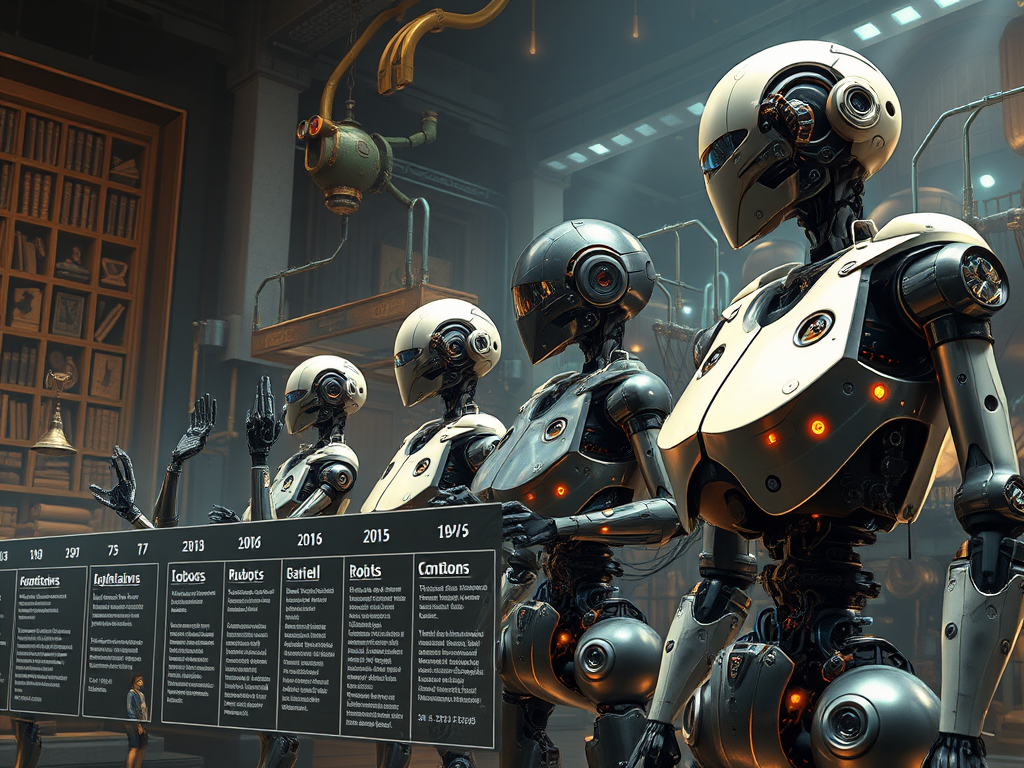
Since the dawn of human ingenuity, we have been obsessed with the idea of the “artificial servant.” From the clockwork automatons of the 18th century to the sophisticated, AI-driven humanoids of 2026, the history of robotics is a testament to our desire to transcend biological limits. As we stand at a precipice where machines are transitioning from “automated” to “autonomous,” understanding where we came from is essential to predicting where we are going.
Part I: The Genesis of Automation (Ancient Times – 19th Century)
Long before the word “robot” was ever uttered, the concept existed in the form of automatons—mechanical devices designed to follow a predetermined sequence of movements.
- Ancient Ingenuity: As early as the 4th century BC, Greek mathematicians like Archytas of Tarsus described a mechanical bird known as “The Pigeon.” By the 1st century AD, Hero of Alexandria was creating complex theaters of moving figurines powered by steam and water.
- The Islamic Golden Age: In the 12th century, Ismail al-Jazari, often called the “Father of Robotics,” authored The Book of Knowledge of Ingenious Mechanical Devices. He designed everything from automated drink-serving waitresses to a “hand-washing automaton” that utilized flush mechanisms similar to modern toilets.
- The Industrial Revolution: The 1800s shifted robotics from curiosity to utility. The Jacquard Loom (1804) used punch cards to automate weaving patterns—a conceptual precursor to binary computer programming. By the late 19th century, the mastery of electricity allowed for the first small motors, setting the stage for the true “robotic” era.
Part II: The Birth of the Modern Robot (1900 – 1970)
The 20th century transformed the mechanical puppet into a programmable machine.
- Etymology and Fiction: In 1920, Czech writer Karel Čapek introduced the word “robot” in his play R.U.R. (Rossum’s Universal Robots). It stems from the Slavonic word robota, meaning “forced labor.” Shortly after, Isaac Asimov’s science fiction popularized the “Three Laws of Robotics,” which still influence ethical discussions today.
- The First Industrial Arm: In 1954, George Devol patented the Unimate, the world’s first industrial robot. Alongside Joseph Engelberger, he installed the first unit at a General Motors plant in 1961. It didn’t look like a human; it was a 4,000-pound arm that performed dangerous die-casting tasks, proving that robots were best suited for the “Three Ds”: Dull, Dirty, and Dangerous.
- The Stanford Arm (1969): This was a pivotal moment. Unlike the hydraulic Unimate, the Stanford Arm was all-electric and computer-controlled. It had six degrees of freedom, allowing it to mimic the range of motion of a human arm with high precision.
Part III: The Rise of the “Brain” (1980 – 2020)
As computing power grew, robots moved from “blind” execution to sensory perception.
- The Second and Third Generations: Robots began integrating sensors (vision and touch). By the 1980s, robots could perform “pick and place” tasks with cameras.
- The Mobile Revolution: In the 1990s and early 2000s, robots broke free from factory floors. NASA’s Sojourner rover explored Mars in 1997, and the Roomba (2002) brought autonomous navigation into millions of living rooms.
- The Deep Learning Explosion (2012): The integration of Deep Learning changed everything. Robots no longer needed to be told exactly how to move; they could begin to learn by processing massive amounts of data. This led to the development of “Cobots” (collaborative robots) designed to work safely alongside humans.
Part IV: The State of Play in 2026: The Age of Physical AI
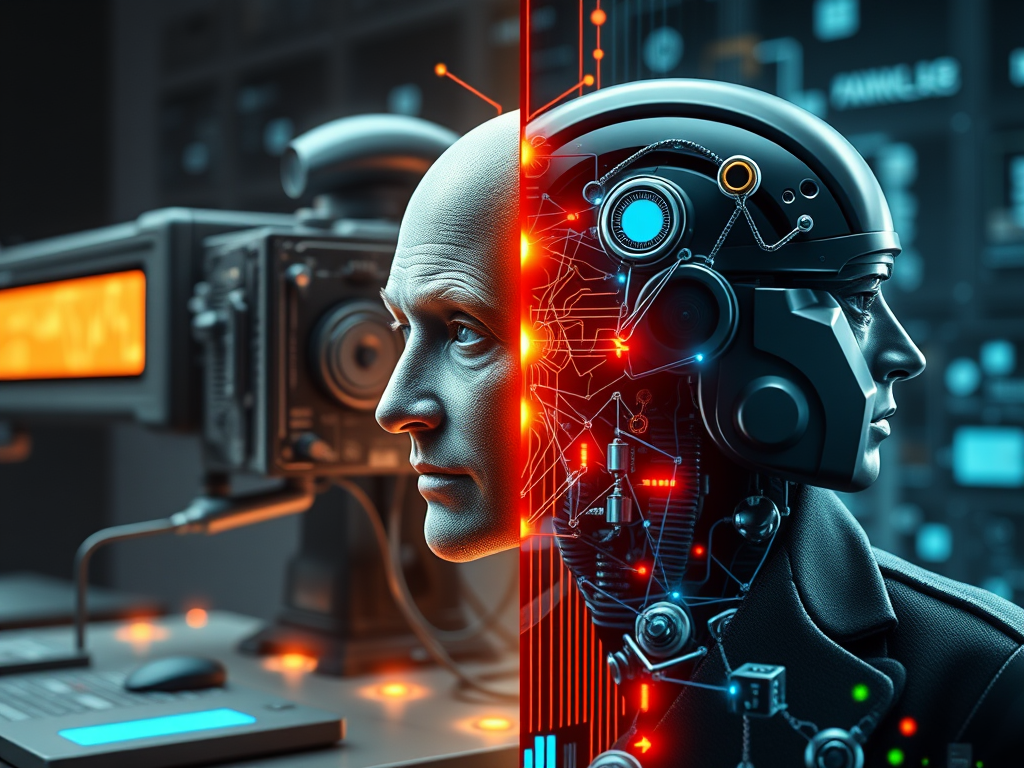
In 2026, we have moved beyond simple automation. We are now in the era of Physical AI—where the “brain” (AI) and the “body” (robotics) are finally synchronized.
1. The Humanoid Gold Rush
2026 is the year of the humanoid. Major players like Tesla (Optimus Gen 2), Boston Dynamics (Electric Atlas), and Figure AI have moved from laboratory prototypes to pilot deployments.
- Tesla’s Optimus: Aimed at a $30,000 price point, it is being tested for logistics and simple home tasks.
- 1X’s NEO: One of the first humanoids designed for domestic use, featuring “soft” mechanics that make it safe to operate around children and pets.
2. Agentic Ecosystems
Robots are no longer isolated machines. In modern “Smart Factories,” robots are part of an Agentic AI network. If a machine detects a vibration anomaly, it doesn’t just stop; the AI agent automatically reroutes the production schedule, orders a replacement part, and assigns a maintenance robot to fix it—all without human intervention.
3. Healthcare and Caregiving
With aging global populations, 2026 has seen a surge in “Social Robots.” These machines don’t just lift patients; they monitor health metrics, detect falls through computer vision, and use natural language processing (NLP) to provide companionship, reducing the burden on human nurses.
Part V: The Future (2030 and Beyond)
Looking toward the next decade, the trajectory of robotics suggests a world where the physical and digital are indistinguishable.
1. Space Colonization and Mining
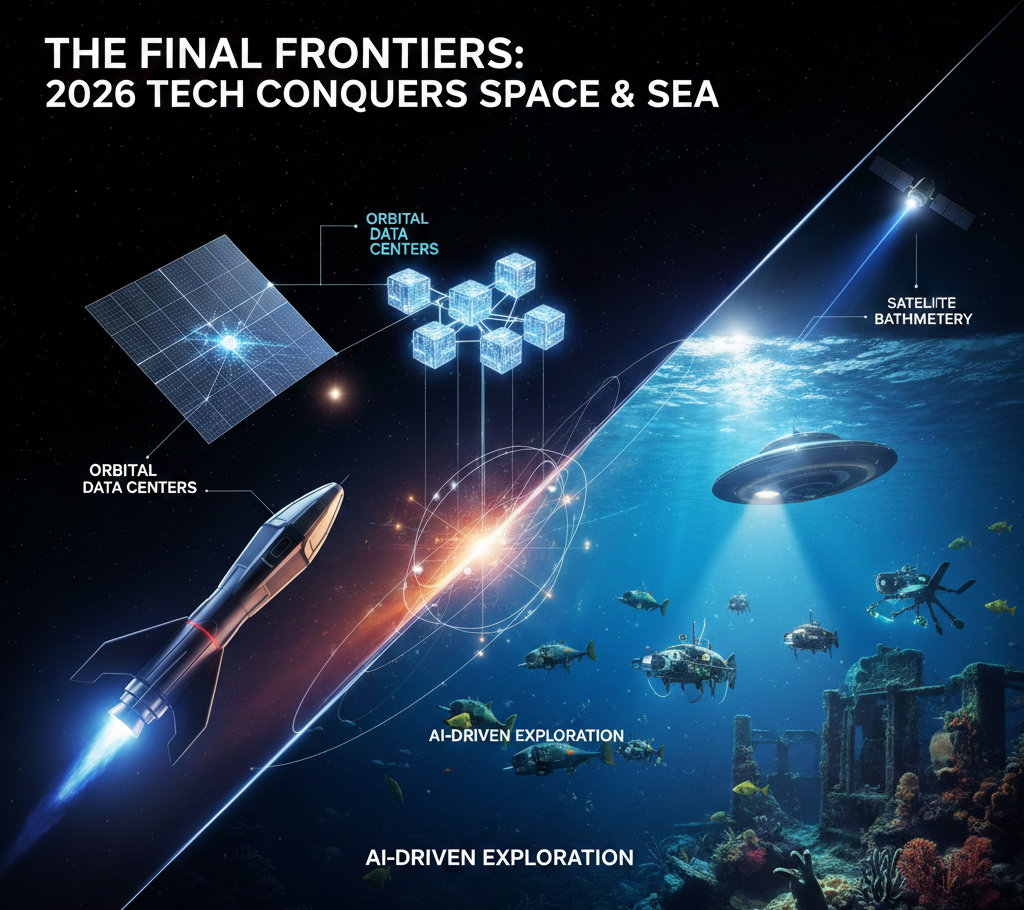
By 2030, the Moon will likely host the first robotic “spaceports.” Autonomous drones and rovers will be responsible for in-situ resource utilization (ISRU)—mining lunar ice to create fuel. Robots will build the infrastructure for human habitats before the first astronauts even arrive.
2. Nanorobotics in Medicine
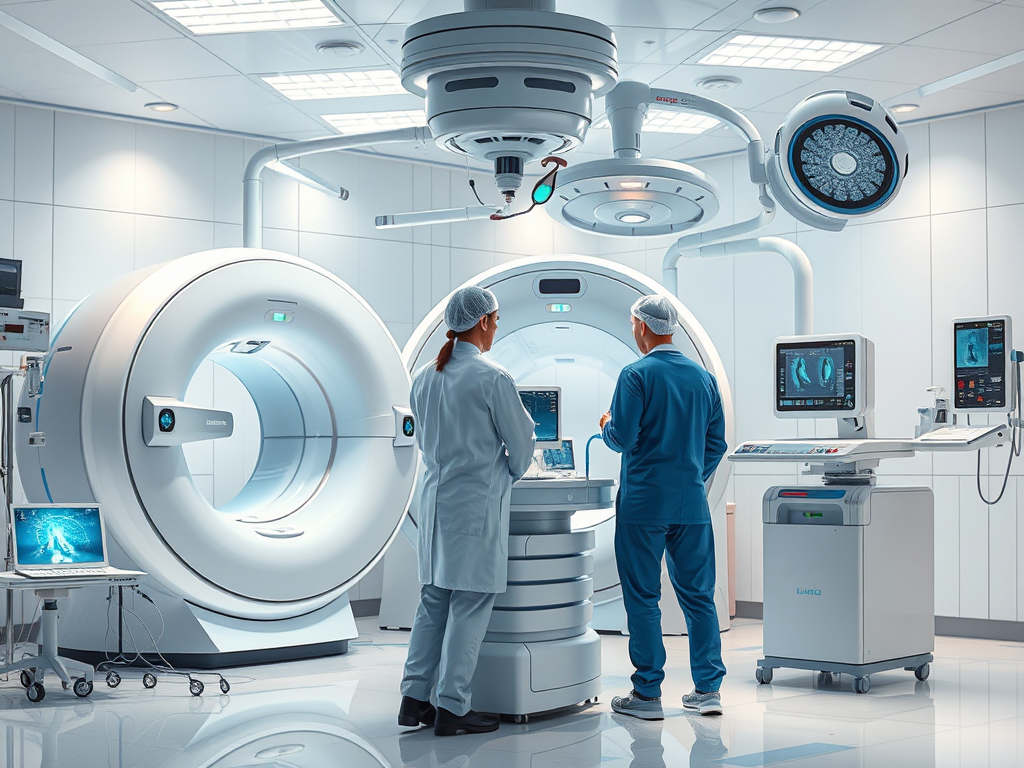
The future of surgery isn’t a giant robot arm; it’s a swarm of microscopic robots. Researchers are perfecting “bio-hybrids”—nanobots that can swim through the bloodstream to deliver targeted chemotherapy directly to cancer cells, minimizing side effects and eliminating the need for invasive incisions.
3. The Ethics of “Living” Machines
As robots gain emotional intelligence and the ability to self-repair, our legal systems will face a crisis.
- Personhood: Will a highly advanced AI-driven robot deserve rights?
- Labor Displacement: If a humanoid can do any task a human can, how do we restructure an economy that has traditionally traded “time for money”?
Conclusion: From Tools to Partners
The history of robotics began with us trying to make a better hammer. In 2026, we are making a better colleague. As we move into the 2030s, the “robot” will stop being a piece of hardware we use and start being an entity we live alongside.
The challenge for the future is not just technical—it is philosophical. We must ensure that as we give robots more “intelligence,” we don’t lose our own sense of purpose. The machines of tomorrow will be a mirror of the values we program into them today.

Leave a Reply