
Smartwatches have transformed from simple digital timekeepers into powerful wearable computers that track health, connect to the internet, and even replace smartphones for many daily tasks. Over the past few decades, rapid technological innovation has reshaped what a watch can do—and the future promises even more groundbreaking advancements.
The Early Beginnings: Digital Foundations (1970s–1990s)
The journey began with digital watches in the 1970s. Brands like Seiko introduced programmable watches that could store small amounts of data. In the 1980s and 1990s, companies experimented with calculator watches and data-bank watches that could store phone numbers and appointments.
A major milestone came in 1998 when IBM introduced a prototype watch running Linux. Although it wasn’t commercially successful, it laid the groundwork for wearable computing. In the early 2000s, Microsoft launched SPOT (Smart Personal Objects Technology) watches, which delivered news and weather via FM radio signals. However, limited battery life and high subscription costs restricted their popularity.
The Modern Smartwatch Era (2010–2015)
The real smartwatch revolution began in the 2010s. In 2013, Samsung launched the Galaxy Gear, integrating smartphone notifications and apps. But the biggest turning point came in 2015 with the release of the Apple Watch by Apple Inc..
The Apple Watch combined fitness tracking, notifications, third-party apps, and a sleek design, making smartwatches mainstream. Around the same time, Google introduced Android Wear (now Wear OS), allowing multiple manufacturers to develop smartwatch ecosystems.
The Health and Fitness Revolution (2016–2022)

As competition intensified, smartwatch manufacturers began focusing heavily on health features. Devices added:
- Heart rate monitoring
- GPS tracking
- Sleep analysis
- Blood oxygen (SpO2) measurement
- ECG (electrocardiogram) functionality
Brands like Fitbit (later acquired by Google) emphasized fitness tracking, while Garmin targeted athletes with advanced performance metrics.
Smartwatches increasingly became health companions, capable of detecting irregular heart rhythms and fall detection, potentially saving lives. Integration with smartphones also improved, enabling voice assistants, contactless payments, and music streaming.
The Present Landscape (2023–Today)
Today’s smartwatches function almost like miniature smartphones. Leading devices such as the Samsung Galaxy Watch and newer Apple Watch models offer:
- Advanced health analytics
- Standalone LTE connectivity
- AI-powered fitness insights
- Enhanced battery efficiency
- Seamless ecosystem integration
They now support smart home controls, voice assistants, and even temperature sensing. Artificial intelligence is playing a growing role in personalizing health insights and daily recommendations.
The Future of Smartwatches
The next decade is expected to bring dramatic innovation in wearable technology.
1. Non-Invasive Glucose Monitoring
One of the most anticipated breakthroughs is blood glucose monitoring without needles, particularly beneficial for people with diabetes. Companies are investing heavily in sensor research to make this a reality.
2. Advanced AI Integration
Future smartwatches may feature real-time health diagnostics powered by AI, capable of predicting medical conditions before symptoms appear.
3. Improved Battery and Charging
Solid-state batteries, solar charging, and kinetic charging could extend battery life from days to weeks.
4. Flexible and Invisible Displays
Advancements in flexible OLED technology may lead to wraparound screens or even smartwatches embedded into clothing or skin-like wearables.
5. Greater Medical Certification
Smartwatches may evolve into certified medical devices, working directly with healthcare providers for remote patient monitoring.
6. Deeper Augmented Reality (AR) Integration
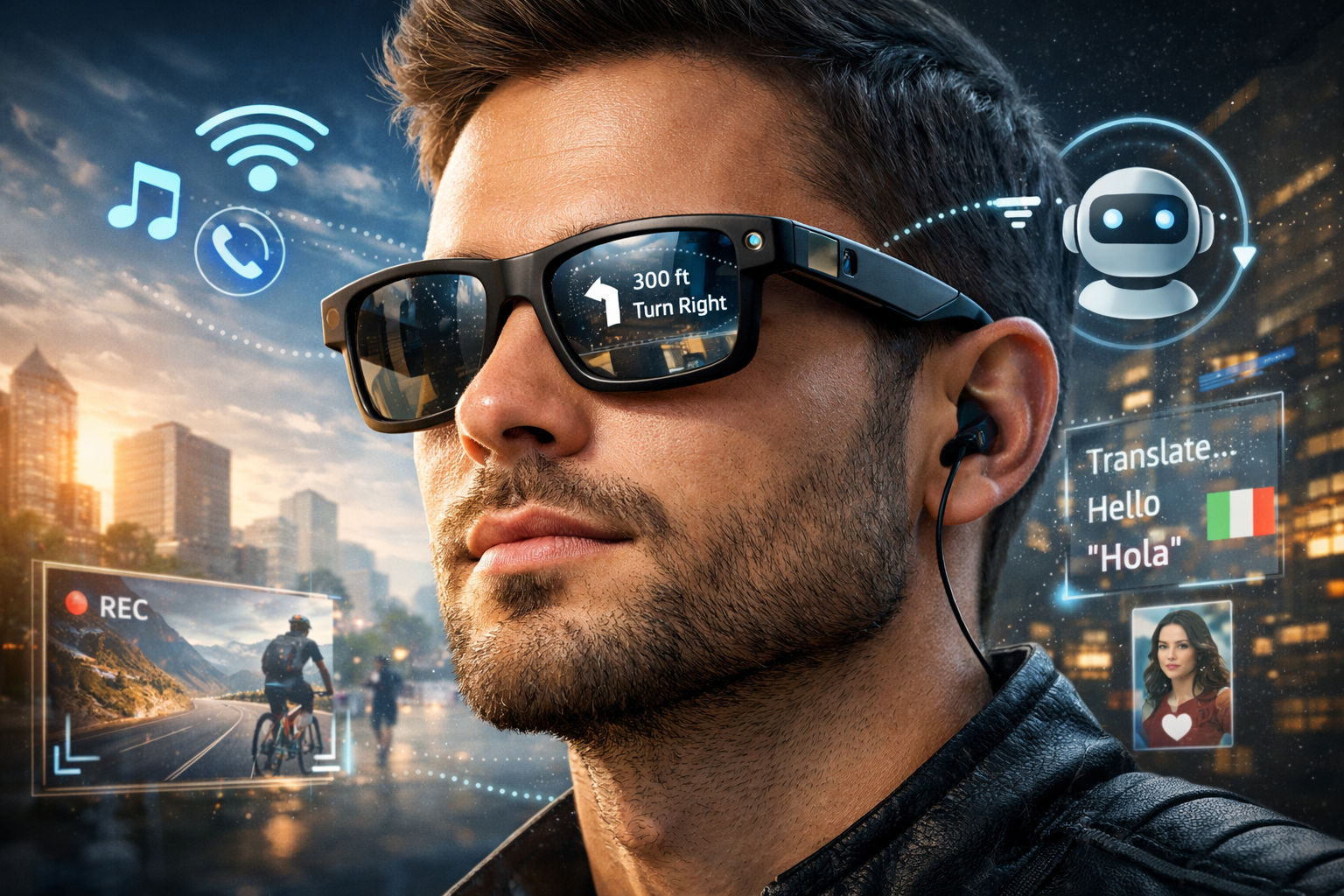
Smartwatches could serve as control hubs for AR glasses, creating interconnected wearable ecosystems.
Conclusion
From basic digital timepieces to AI-powered health companions, smartwatches have undergone remarkable evolution. Companies like Apple Inc., Samsung, and Google continue to push innovation forward.
As technology advances, smartwatches are expected to become even more intelligent, more health-focused, and more integrated into daily life. In the near future, they may not just track our health—they may actively protect and enhance it, redefining the role of wearable technology in society.





Leave a Reply