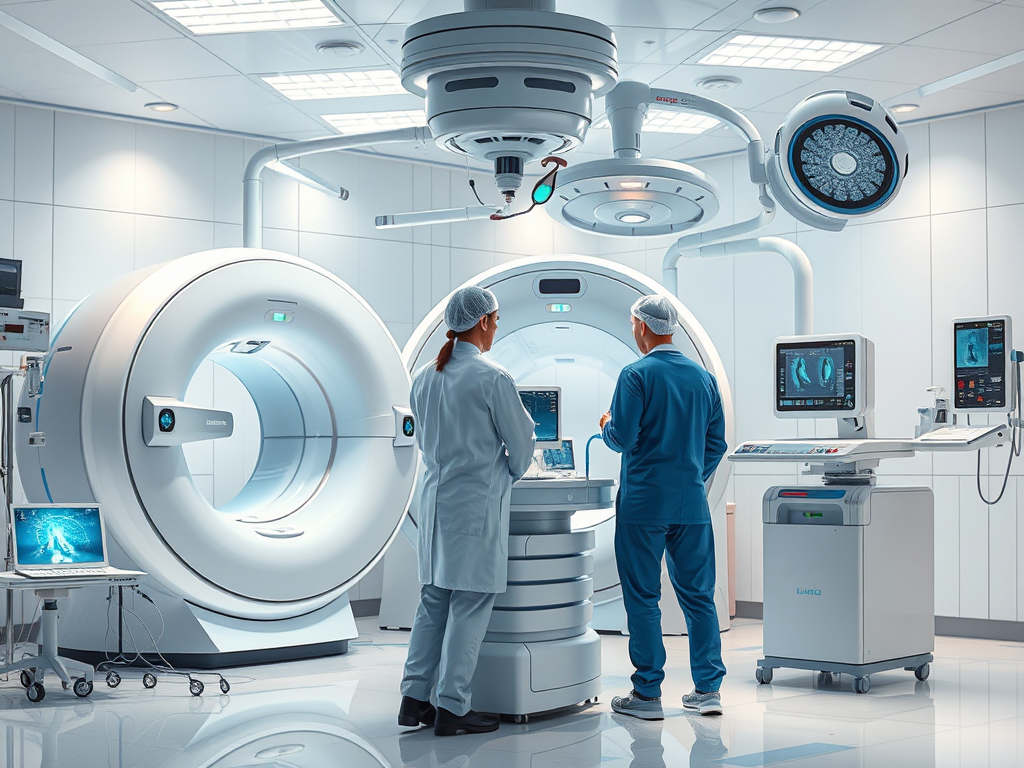
Technology has revolutionized nearly every aspect of human life, but its impact on healthcare and medicine is among the most significant. Modern medical technology has improved diagnosis, treatment, patient care, and disease prevention, helping people live longer and healthier lives. From advanced imaging machines and robotic surgery to artificial intelligence and telemedicine, technology is transforming how healthcare systems operate worldwide.
In the past, many diseases were difficult to detect or treat due to limited medical knowledge and lack of advanced equipment. Today, digital tools and intelligent systems allow doctors to diagnose illnesses faster, perform complex procedures with precision, and monitor patients remotely. Organizations such as the World Health Organization emphasize that technology is essential for strengthening global healthcare systems and improving access to medical services.
This article explores how technology helps modern medicine, highlighting major innovations, their applications, benefits, and future trends shaping the healthcare industry.
Evolution of Medical Technology
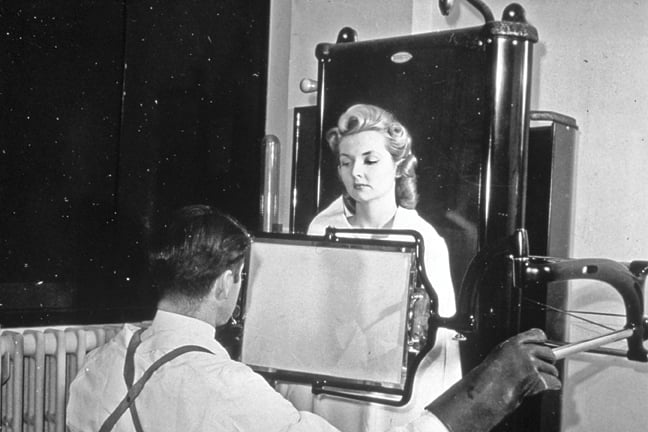
Medical technology has developed gradually over centuries. Early healthcare relied mainly on basic tools and limited scientific knowledge. However, the invention of diagnostic technologies such as X-rays in the late 19th century marked the beginning of modern medical imaging.
Over time, advancements in electronics, computing, and biomedical engineering led to the development of:
- Magnetic Resonance Imaging (MRI)
- Computed Tomography (CT) scanners
- Ultrasound systems
- Digital laboratory equipment
These technologies dramatically improved the ability of doctors to identify diseases without invasive procedures.
Today, medical systems combine digital computing, automation, and artificial intelligence to create faster and more accurate healthcare solutions.
Diagnostic Technology: Detecting Diseases Early
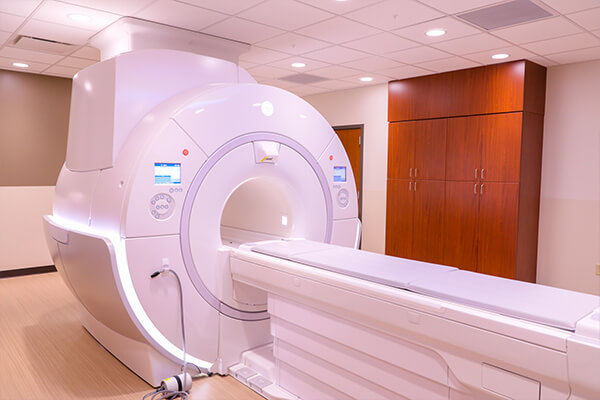
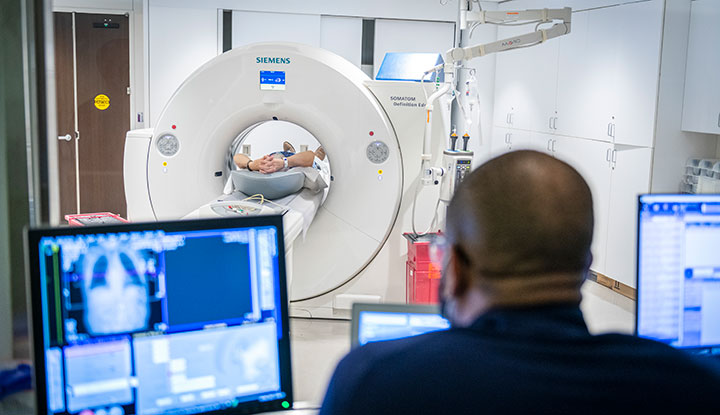
One of the most important ways technology helps medicine is through early disease detection. Modern diagnostic tools allow doctors to identify health conditions at early stages, improving treatment success rates.
Medical Imaging Technologies
Advanced imaging systems help visualize internal organs and tissues with high accuracy.
Common imaging technologies include:
- MRI (Magnetic Resonance Imaging)
- CT scans (Computed Tomography)
- X-ray imaging
- Ultrasound scanning
Companies such as Siemens Healthineers and Philips manufacture advanced imaging equipment used in hospitals worldwide.
These tools are used to detect:
- Tumors and cancers
- Bone fractures
- Heart diseases
- Brain disorders
Early detection often saves lives by enabling faster treatment.
Laboratory Automation
Modern laboratories use automated machines to perform blood tests and genetic analysis quickly and accurately. Automation reduces human error and speeds up diagnosis.
Digital lab systems also allow healthcare providers to share results instantly across hospitals and clinics.
Artificial Intelligence in Healthcare
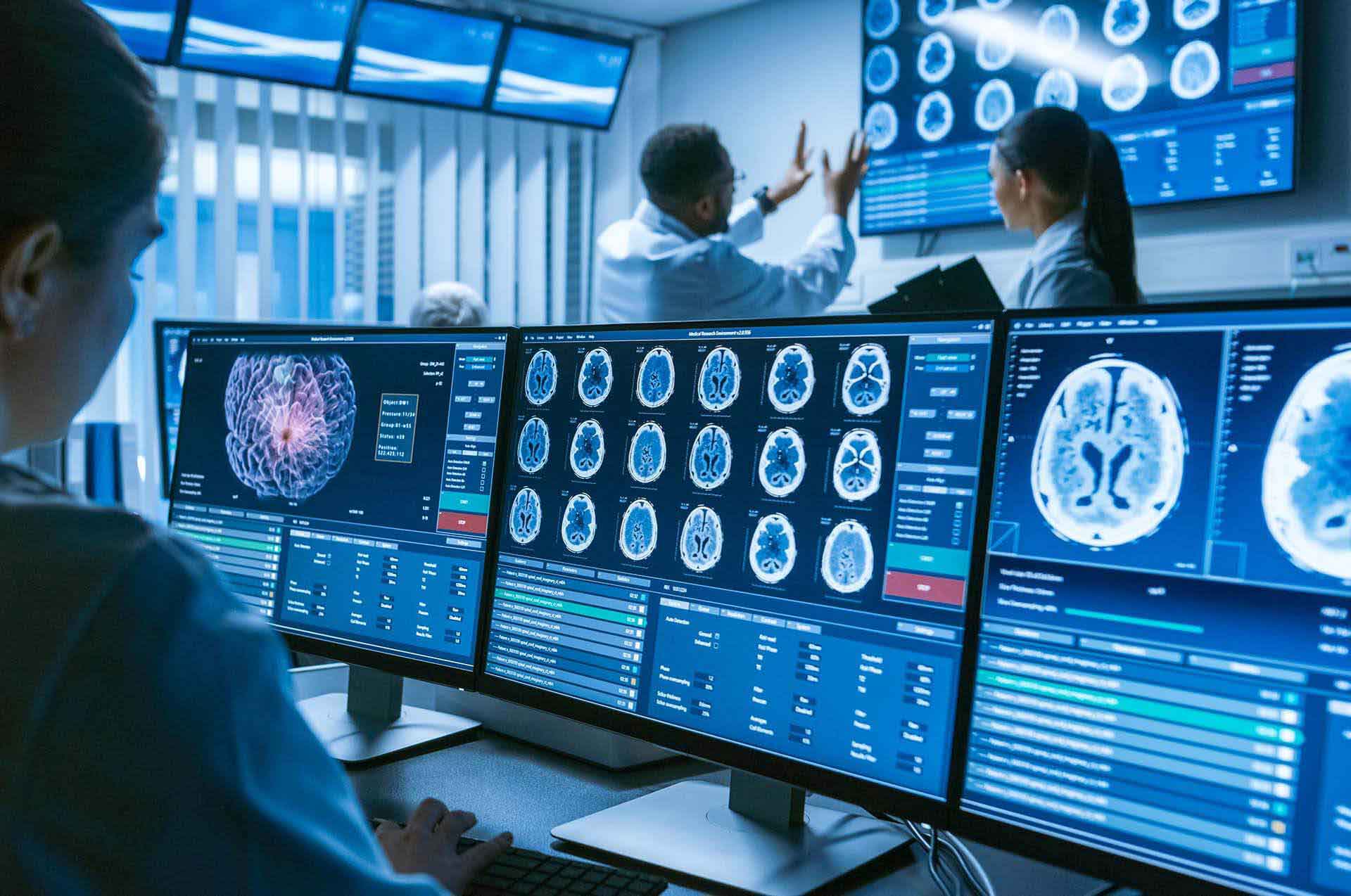
Artificial Intelligence (AI) is one of the most transformative technologies in modern medicine. AI systems analyze large datasets to identify patterns that help doctors make better decisions.
AI is used in:
- Medical imaging analysis
- Disease prediction
- Drug discovery
- Personalized treatment planning
Platforms developed by organizations such as IBM Watson Health have demonstrated how AI can support clinical decision-making by analyzing patient data and medical research.
AI in Disease Detection
AI algorithms can detect diseases such as cancer from medical images with remarkable accuracy. These systems help doctors identify abnormalities that might otherwise be missed.
Predictive Healthcare
AI systems analyze patient history and lifestyle data to predict potential health risks. This allows preventive care before serious conditions develop.
AI is helping shift healthcare from reactive treatment to preventive medicine.
Robotic Surgery: Precision and Safety

Robotic-assisted surgery is transforming how complex operations are performed. Surgical robots allow doctors to perform procedures with greater precision and minimal invasion.
One of the most widely used robotic systems is the da Vinci Surgical System, developed by Intuitive Surgical.
Benefits of Robotic Surgery
- Smaller incisions
- Reduced blood loss
- Faster recovery time
- Higher surgical accuracy
Robotic systems translate the surgeon’s hand movements into precise micro-movements, improving outcomes for patients.
Robotic surgery is commonly used in:
- Heart surgery
- Cancer treatment
- Urology procedures
- Gynecological surgery
Telemedicine and Remote Healthcare

Telemedicine is one of the fastest-growing areas of healthcare technology. It allows patients to consult doctors remotely using smartphones or computers.
Telemedicine became especially important during the global pandemic, when in-person visits were limited.
Advantages of Telemedicine
- Access to healthcare in remote areas
- Reduced travel time
- Faster consultations
- Continuous patient monitoring
Telemedicine platforms allow doctors to review patient records, prescribe medicines, and provide follow-up care online.
This technology improves healthcare accessibility worldwide.
Wearable Technology and Remote Monitoring
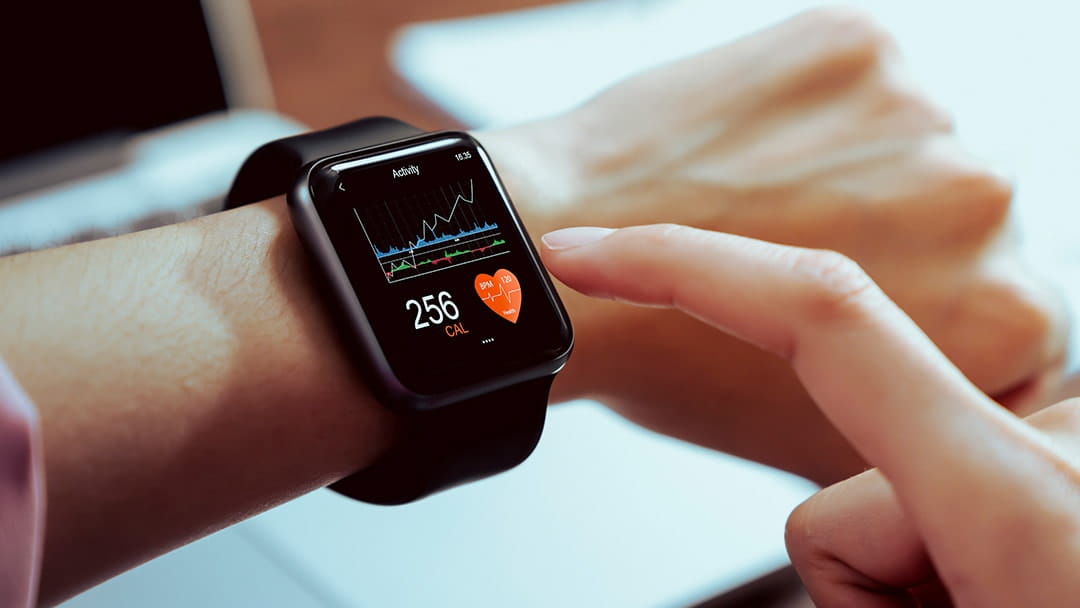
Wearable devices are transforming preventive healthcare by allowing individuals to monitor their health in real time.
Common wearable technologies include:
- Smartwatches
- Fitness trackers
- Continuous glucose monitors
- Heart rate sensors
Devices such as the Apple Watch help track:
- Heart rate
- Physical activity
- Sleep patterns
- Blood oxygen levels
Doctors can use this data to monitor patients remotely and detect early warning signs of health problems.
Wearable technology encourages people to take a more active role in managing their health.
Electronic Health Records (EHR) and Digital Data Management
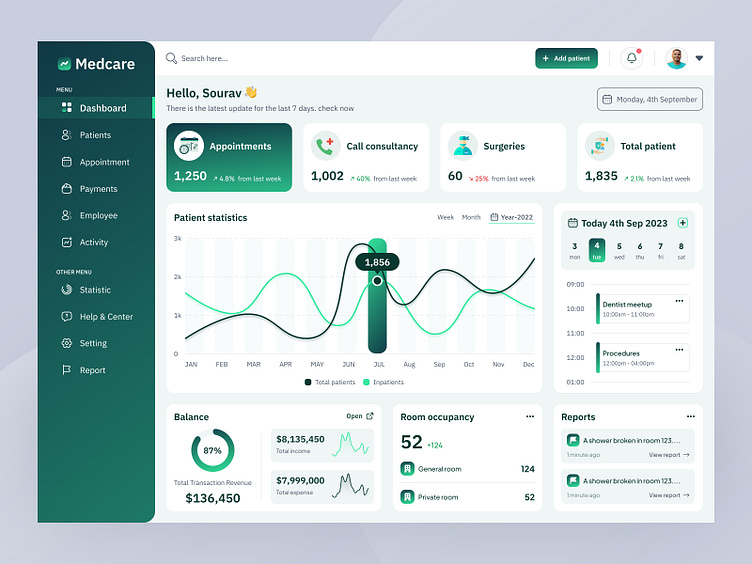
Electronic Health Records (EHR) systems store patient data digitally, replacing traditional paper records.
Digital records include:
- Medical history
- Lab results
- Prescriptions
- Imaging reports
EHR systems allow healthcare providers to access patient information instantly, improving coordination and reducing errors.
Digital data management also improves research by enabling large-scale analysis of medical trends.
3D Printing in Medicine
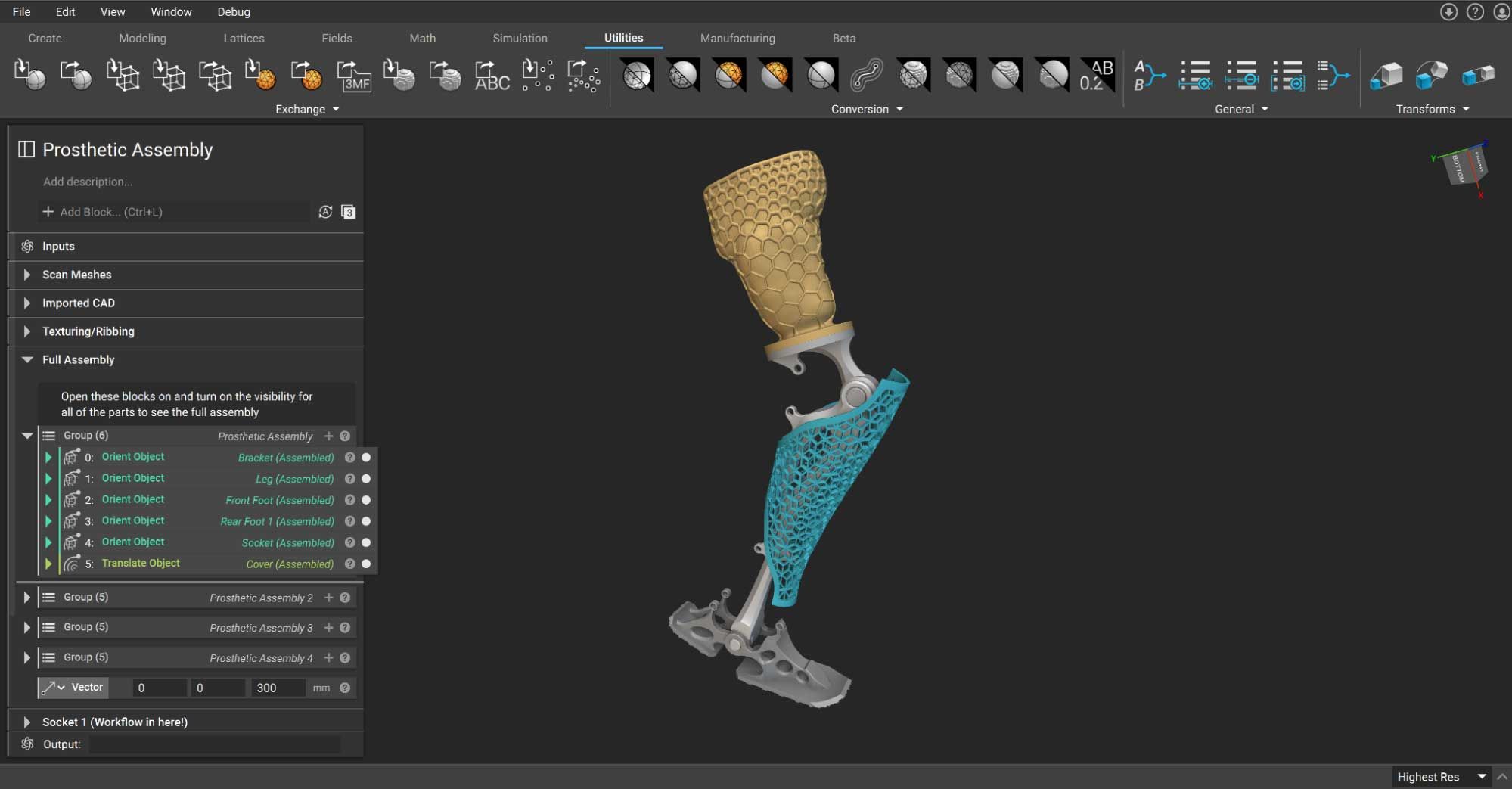
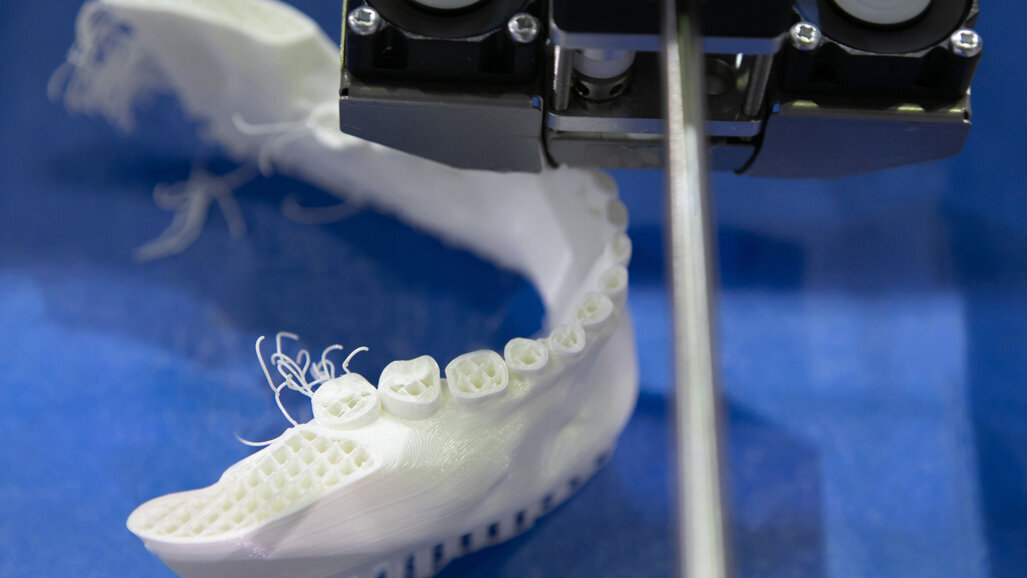
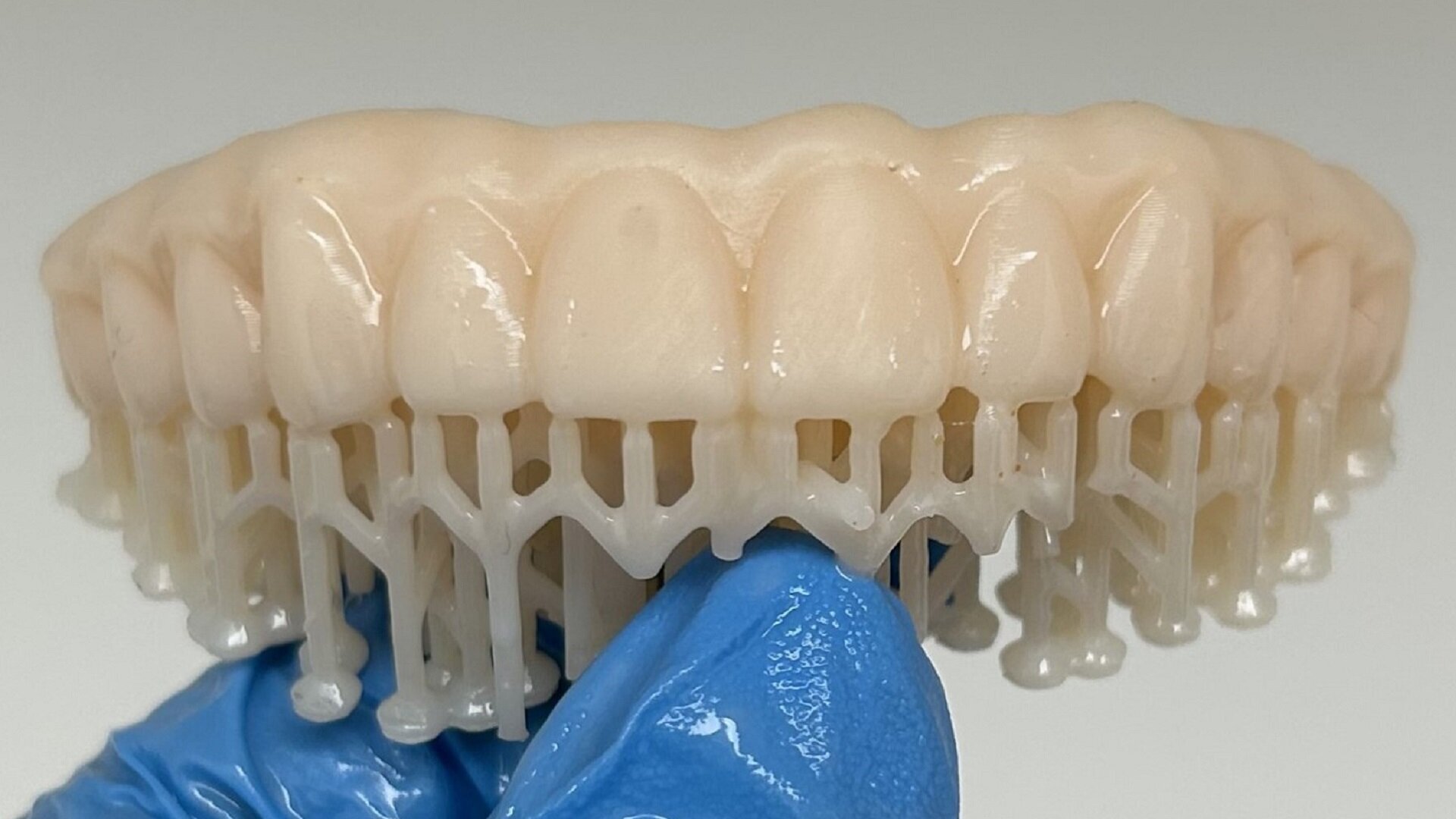
3D printing technology is revolutionizing medical manufacturing.
Doctors can now create:
- Customized prosthetic limbs
- Dental implants
- Surgical models
- Artificial tissues (experimental)
3D printing allows personalized treatment based on individual patient anatomy.
This technology reduces production costs and improves patient comfort.
Technology in Drug Discovery and Research

Developing new medicines traditionally takes many years. Technology is accelerating this process through:
- Artificial intelligence analysis
- Automated laboratory systems
- Genetic research tools
AI can analyze millions of chemical compounds quickly to identify potential drug candidates.
This approach significantly reduces research time and costs.
Advanced computing also helps scientists understand complex diseases at the molecular level.
Benefits of Technology in Modern Healthcare
Technology has improved healthcare in several major ways.
Improved Accuracy
Advanced diagnostic tools reduce errors and improve treatment outcomes.
Faster Treatment
Automation and digital systems speed up diagnosis and medical procedures.
Better Patient Monitoring
Wearable devices and remote monitoring allow continuous healthcare management.
Increased Accessibility
Telemedicine provides healthcare access to rural and remote populations.
Cost Efficiency
Digital systems reduce paperwork and streamline hospital operations.
Challenges of Medical Technology
Despite its advantages, medical technology also presents challenges.
High Costs
Advanced medical equipment can be expensive, limiting access in some regions.
Data Privacy Concerns
Digital health records must be protected from cyber threats.
Training Requirements
Healthcare professionals need specialized training to operate advanced systems.
Technology Dependence
Overreliance on technology may create risks if systems fail.
Balancing innovation with safety and accessibility remains essential.
Future of Technology in Medicine
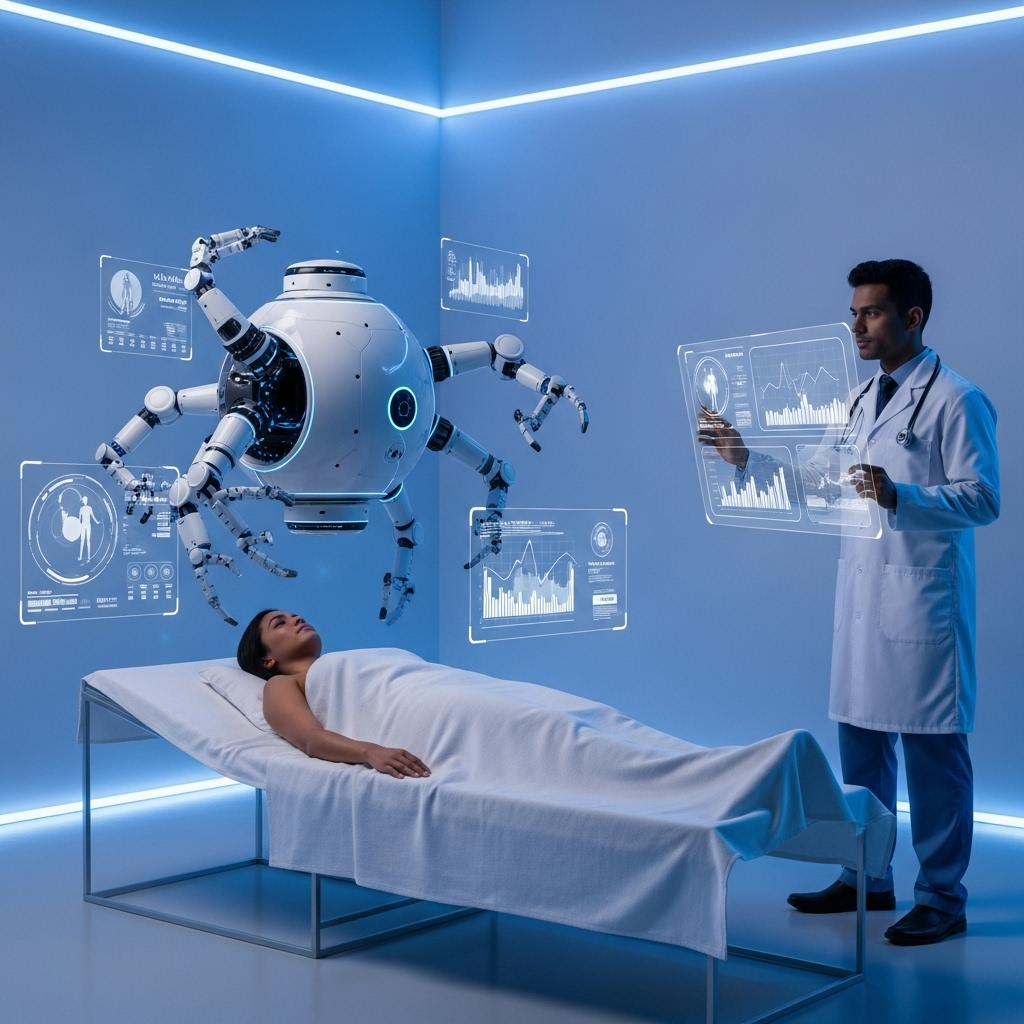
The future of healthcare technology is extremely promising. Emerging innovations are expected to transform medicine even further.
Artificial Intelligence Expansion
AI will continue improving diagnosis and personalized treatment.
Nanotechnology
Scientists are researching microscopic medical robots that could deliver drugs directly to affected cells.
Genetic Medicine
Gene-editing technologies may allow doctors to treat inherited diseases.
Smart Hospitals
Hospitals will become fully digital, using connected systems for automated patient care.
Technology will continue improving healthcare efficiency, accuracy, and accessibility.
Conclusion
Technology has become an essential part of modern medicine, transforming how diseases are detected, treated, and prevented. Innovations such as artificial intelligence, robotic surgery, telemedicine, wearable devices, and digital health records are improving healthcare outcomes worldwide.
These advancements not only help doctors perform their work more effectively but also empower patients to take control of their health. While challenges such as cost and data security remain, continued technological development promises a future where healthcare becomes faster, smarter, and more personalized.
As medical technology continues to evolve, it will play an even greater role in saving lives and improving global health standards.