
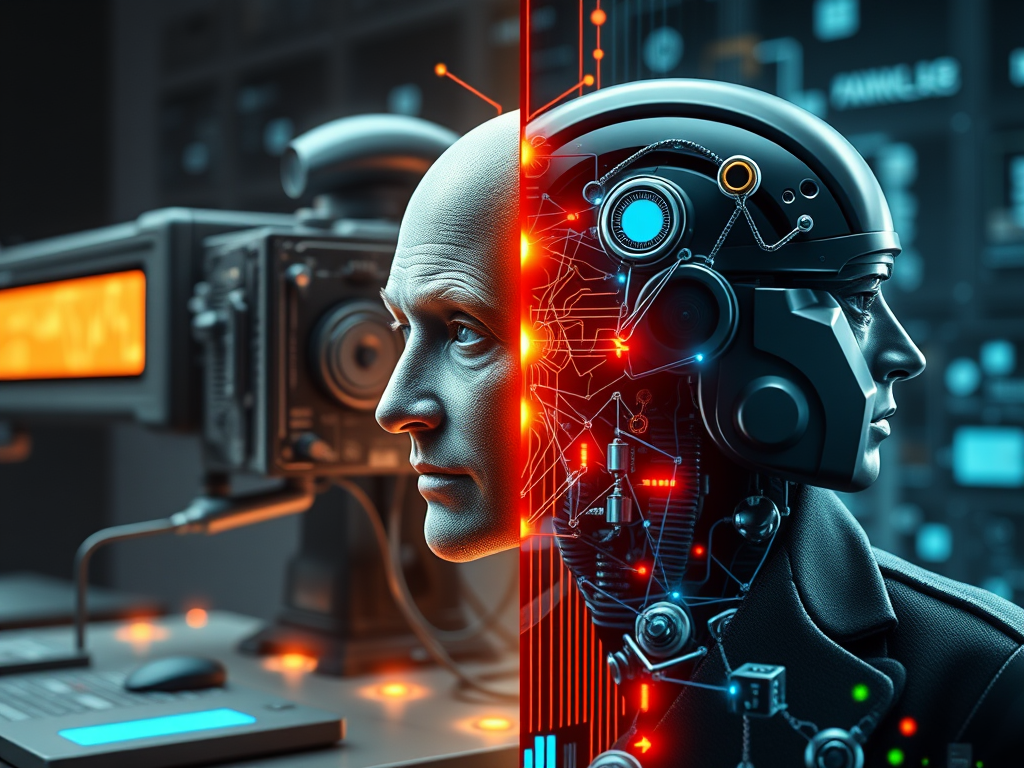
Artificial Intelligence (AI) is one of the most transformative technologies of the modern era. It refers to the ability of machines and computer systems to perform tasks that normally require human intelligence, such as learning, reasoning, problem-solving, language understanding, and decision-making. AI is no longer limited to research laboratories; today it powers smartphones, search engines, recommendation systems, autonomous vehicles, and smart assistants.
Over the past few decades, AI has evolved from simple rule-based systems into advanced machine learning models capable of analyzing massive datasets and generating human-like responses. Rapid improvements in computing power, data availability, and algorithm design have accelerated AI development, making it one of the most important technological fields shaping the future.
This article explores the evolution of artificial intelligence, key technological breakthroughs, current applications, challenges, and future trends that will define the next generation of AI systems.
Early History of Artificial Intelligence

The concept of artificial intelligence dates back to the mid-20th century when scientists began exploring whether machines could simulate human thinking.
One of the most influential figures in early AI research was Alan Turing, who proposed the idea that machines could demonstrate intelligence through what is now known as the Turing Test. His work laid the theoretical foundation for modern computing and AI.
During the 1950s and 1960s, early AI programs were developed using rule-based logic systems. These systems attempted to simulate reasoning by following predefined instructions. However, computing power at the time was extremely limited, making AI development slow and restricted.
Early AI systems could perform simple tasks such as:
- Solving mathematical problems
- Playing basic games
- Processing symbolic data
Despite early excitement, progress slowed due to hardware limitations and unrealistic expectations. This period became known as the “AI Winter,” when funding and research interest temporarily declined.
The Rise of Machine Learning
Artificial intelligence began to advance rapidly again in the 1990s and early 2000s with the rise of machine learning.
Machine learning is a branch of AI that allows computers to learn from data rather than relying solely on programmed instructions. Instead of telling a computer exactly what to do, developers train algorithms using datasets so the system can identify patterns and make predictions.
Several factors contributed to the growth of machine learning:
- Increased computing power
- Availability of large datasets (big data)
- Improved algorithms
- Faster processors and GPUs
Companies such as NVIDIA played a major role by developing graphics processing units (GPUs) capable of handling complex parallel computations required for AI training.
Machine learning is now used in:
- Email spam filtering
- Image recognition
- Voice assistants
- Recommendation systems
This marked the transition from traditional programming to data-driven intelligence.
Deep Learning and Neural Networks

Deep learning is a specialized branch of machine learning that uses artificial neural networks inspired by the human brain. These networks consist of multiple layers that process data in increasingly complex ways.
Deep learning became practical around 2010 due to:
- Powerful GPUs
- Large datasets
- Advanced training techniques
Neural networks are particularly effective in areas such as:
- Image recognition
- Natural language processing
- Speech recognition
- Autonomous driving
One of the major breakthroughs in deep learning came when systems began outperforming humans in certain tasks, such as image classification and strategic gameplay.
Organizations such as Google DeepMind demonstrated the power of deep learning by developing advanced AI systems capable of solving complex problems.
Deep learning continues to drive most modern AI applications.
Natural Language Processing and Conversational AI

Natural Language Processing (NLP) is one of the fastest-growing areas of artificial intelligence. NLP enables computers to understand, interpret, and generate human language.
Modern conversational AI systems can:
- Answer questions
- Translate languages
- Summarize documents
- Generate content
Organizations such as OpenAI and Microsoft have played key roles in advancing language-based AI technologies.
These systems rely on large language models trained on massive datasets. The improvement of NLP technologies has significantly enhanced human-computer interaction.
Applications include:
- Chatbots
- Virtual assistants
- Customer support automation
- Content generation tools
Conversational AI is now widely used across industries.
AI Applications in Modern Life


Artificial intelligence is deeply integrated into everyday life.
Healthcare
AI helps doctors analyze medical images, detect diseases, and recommend treatments. Machine learning algorithms can identify patterns that may not be visible to human experts.
Transportation
Autonomous vehicle systems use AI for navigation, object detection, and decision-making.
Business and Finance
AI supports:
- Fraud detection
- Data analytics
- Customer behavior prediction
Companies use AI to improve efficiency and decision-making.
Education
AI-powered tools provide personalized learning experiences and automated grading systems.
Entertainment
Streaming platforms use AI recommendation algorithms to suggest content based on user preferences.
AI is transforming how people interact with technology daily.
Role of Cloud Computing in AI Growth
Cloud computing has accelerated AI development by providing scalable infrastructure for training and deploying models.
Major cloud providers offer AI tools and platforms that allow businesses to build intelligent systems without requiring expensive hardware.
Benefits include:
- High-performance computing resources
- Large-scale data storage
- Remote accessibility
- Cost efficiency
Cloud platforms have made AI accessible to startups, researchers, and organizations worldwide.
Challenges in Artificial Intelligence Development
Despite rapid progress, AI still faces several challenges.
Data Privacy
AI systems require large datasets, raising concerns about personal data protection.
Bias in AI Models
AI models can reflect biases present in training data, leading to unfair or inaccurate outcomes.
High Development Costs
Training advanced AI models requires significant computing power and financial investment.
Ethical Concerns
Questions remain about how AI should be used responsibly, especially in areas such as surveillance and autonomous weapons.
Addressing these challenges is essential for sustainable AI growth.
The Future of Artificial Intelligence
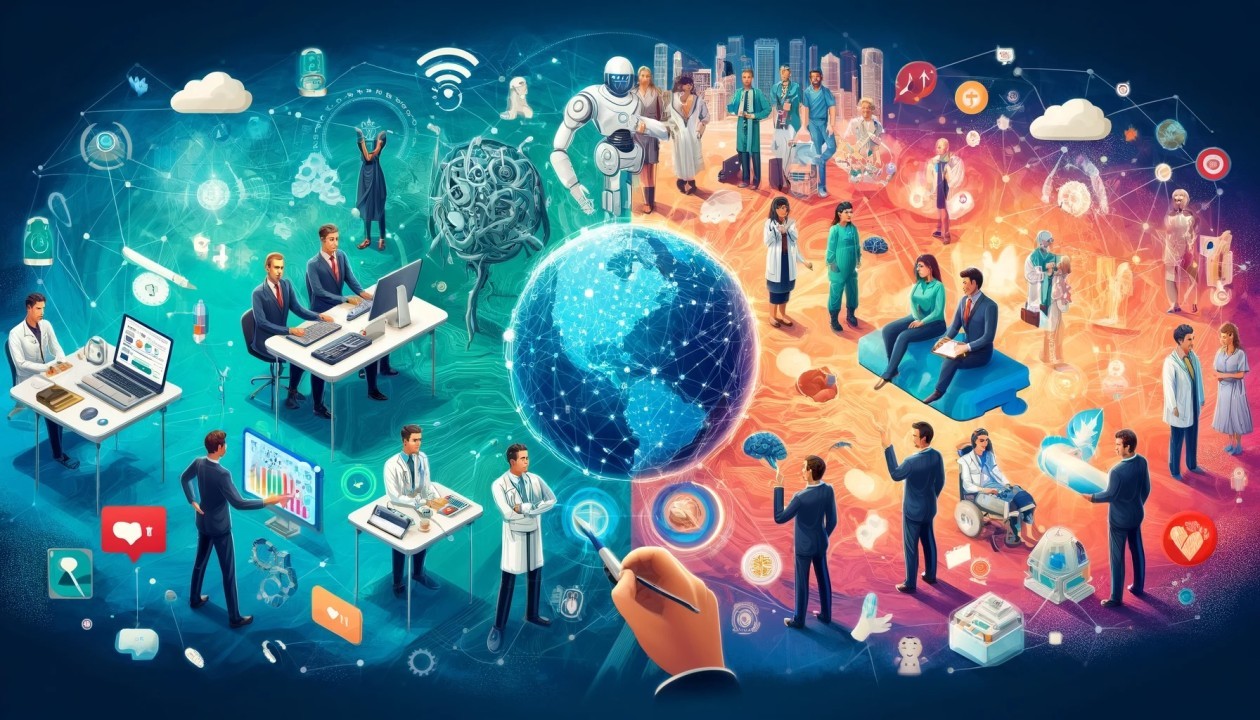

Artificial intelligence is expected to continue evolving rapidly over the next decade.
Generative AI
Generative AI systems can create text, images, videos, and music. These technologies are transforming creative industries.
Autonomous Systems
AI-powered robots and vehicles will become more common in transportation, manufacturing, and logistics.
Human-AI Collaboration
Future AI systems will work alongside humans rather than replacing them, enhancing productivity and creativity.
AI in Scientific Research
AI is helping scientists discover new medicines, materials, and climate solutions faster than ever before.
Artificial General Intelligence (AGI)
Researchers are working toward AI systems that can perform any intellectual task that humans can do. Although still theoretical, AGI represents the long-term vision of AI development.
Impact of AI on Jobs and Society
AI is reshaping the global workforce.
Job Automation
Certain repetitive jobs are being automated, especially in manufacturing and data processing.
New Career Opportunities
AI is also creating new roles such as:
- Data scientists
- AI engineers
- Machine learning specialists
Skill Transformation
Future workers will need skills in:
- Technology
- Problem-solving
- Creativity
AI is not only changing industries but also redefining how people work.
Conclusion
Artificial intelligence has evolved from simple rule-based systems into powerful intelligent technologies that influence nearly every aspect of modern life. Advances in machine learning, deep learning, cloud computing, and data science have accelerated AI growth, making it one of the most important technological fields of the 21st century.
While challenges such as ethical concerns and data privacy remain, continued research and innovation are driving AI toward even greater capabilities. The future of artificial intelligence will likely include smarter automation, improved human-AI collaboration, and groundbreaking discoveries across industries.
As AI continues to evolve, it will play a central role in shaping the future of technology, business, and society.