
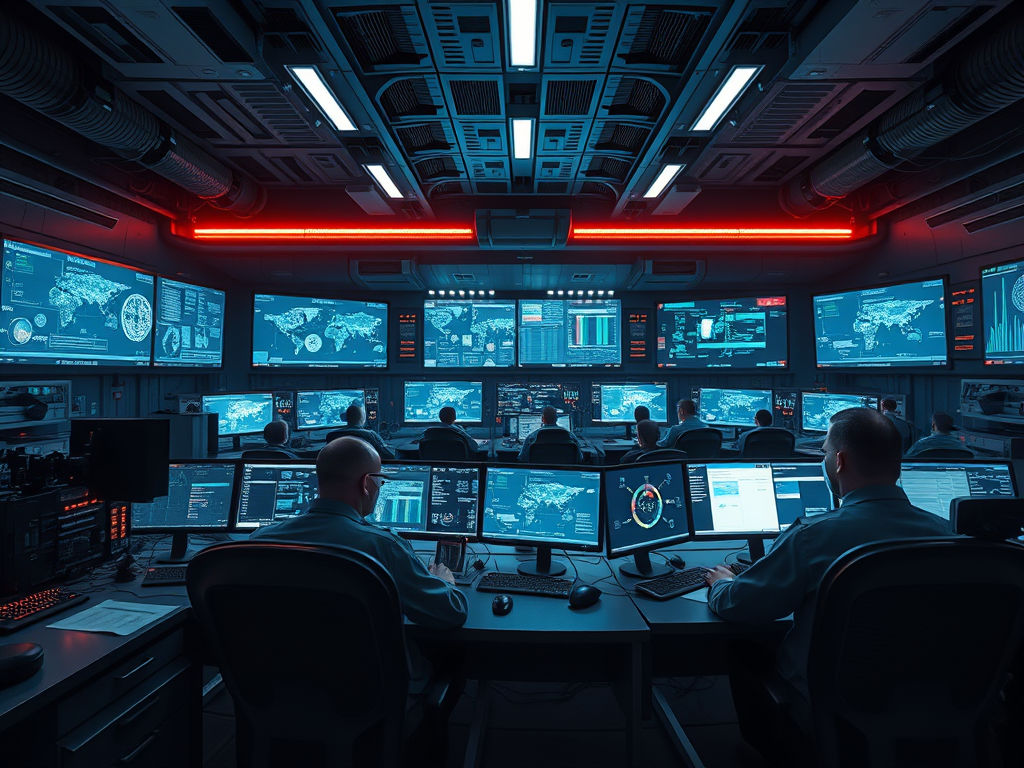

Technology has always played a crucial role in shaping military power and national security. From ancient weapons to modern cyber warfare systems, technological advancements have consistently influenced how nations defend themselves and conduct military operations. In the 21st century, rapid developments in artificial intelligence, robotics, satellite systems, cybersecurity, and advanced weaponry are transforming defence strategies worldwide.
Modern military technology is not only about stronger weapons but also about smarter systems. Today’s defence systems rely heavily on data, automation, precision targeting, and real-time communication. Advanced technologies help reduce human risk, improve decision-making, and increase operational efficiency.
This article explores how technology supports defence and military operations, the major technologies currently in use, their benefits and challenges, and the future of military innovation.
Evolution of Military Technology
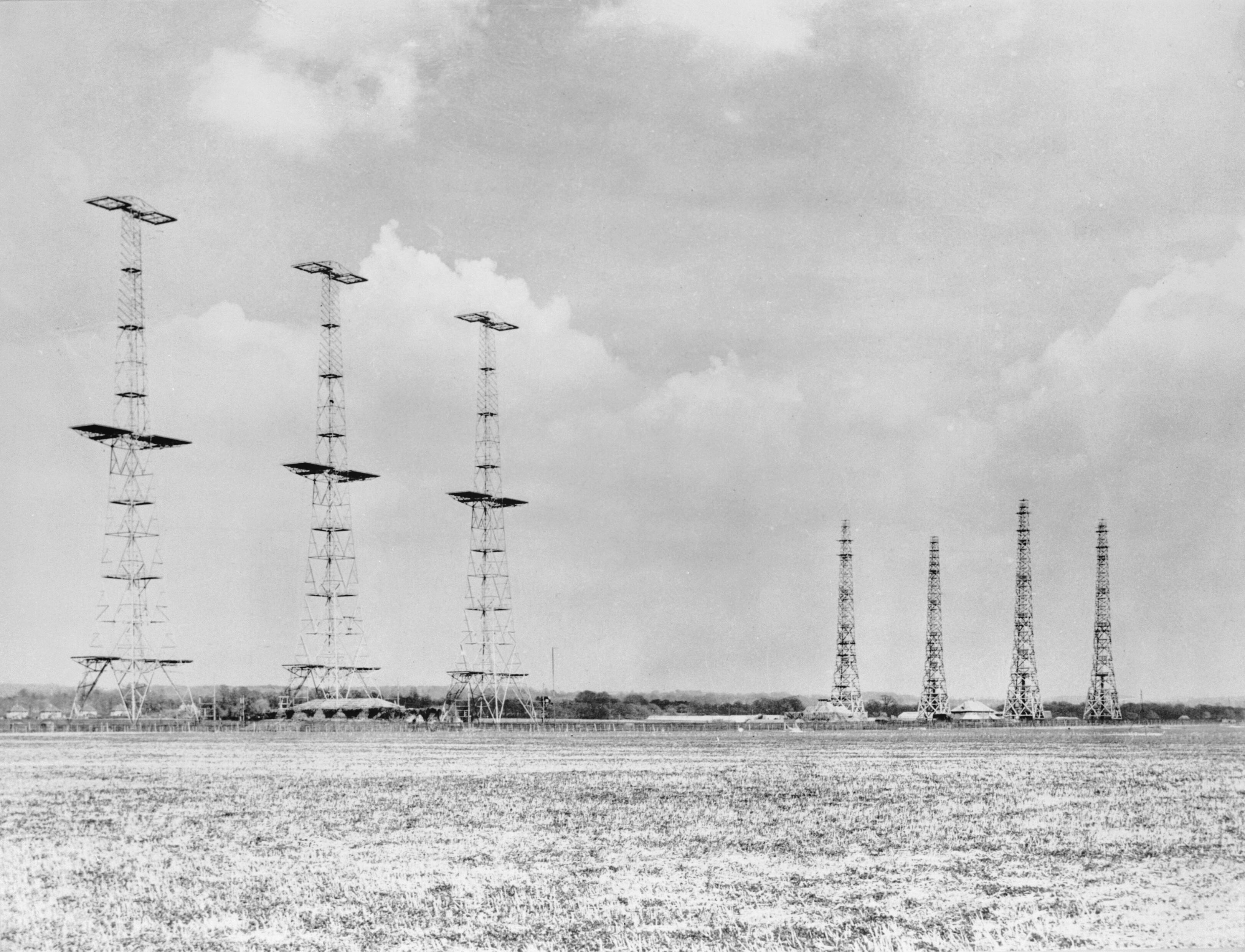
Military technology has evolved significantly across different historical periods. Early warfare depended mainly on physical strength and basic weapons such as swords and bows. However, the industrial revolution introduced mechanical weapons, while the 20th century brought electronics and nuclear technology.
During World War II, radar systems, advanced aircraft, and cryptography revolutionized warfare. Later, the Cold War accelerated technological competition between global powers, leading to the development of missiles, satellites, and nuclear defence systems.
Organizations such as the United States Department of Defense and NATO have continuously invested in research to maintain strategic advantages through technology.
Today, military systems combine digital computing, automation, and network-based operations to create highly advanced defence infrastructures.
Role of Artificial Intelligence in Modern Defence

Artificial Intelligence (AI) has become one of the most transformative technologies in defence systems. AI allows military systems to analyze large amounts of data quickly and accurately, improving decision-making and operational planning.
Key Applications of AI in Military
1. Autonomous Systems
AI enables drones and unmanned vehicles to operate with minimal human control.
2. Intelligence and Surveillance
AI algorithms analyze satellite images, video footage, and signals intelligence to detect threats.
3. Predictive Analysis
Machine learning models help predict potential conflicts or suspicious activities.
4. Cyber Defence
AI tools detect unusual network patterns to prevent cyber attacks.
Research agencies such as DARPA are leading the development of AI-based defence technologies.
AI improves speed, accuracy, and automation, making modern defence systems more effective.
Unmanned Systems and Military Robotics


Unmanned systems are one of the most visible technological advancements in modern military operations. These include aerial, ground, and naval robots that perform dangerous tasks without risking human lives.
Types of Military Robots
Unmanned Aerial Vehicles (UAVs)
Also known as drones, UAVs are used for surveillance and precision strikes.
Unmanned Ground Vehicles (UGVs)
Ground robots help in bomb disposal and reconnaissance missions.
Unmanned Naval Vehicles (UNVs)
Autonomous boats are used for underwater surveillance and mine detection.
Companies such as Lockheed Martin and Northrop Grumman develop advanced robotic defence systems.
These technologies significantly reduce risks for soldiers and increase operational efficiency.
Satellite Technology and Space-Based Defence


Satellites play a critical role in modern defence operations. They enable global communication, navigation, intelligence gathering, and missile detection.
Major Functions of Military Satellites
- Surveillance and reconnaissance
- GPS navigation
- Weather monitoring
- Secure communication
- Missile early-warning systems
Space-based systems allow military forces to monitor activities across the globe in real time.
Organizations like NASA and private companies such as SpaceX contribute to advancements in satellite technology.
As space becomes a strategic domain, nations are increasingly investing in space defence capabilities.
Cybersecurity and Cyber Warfare
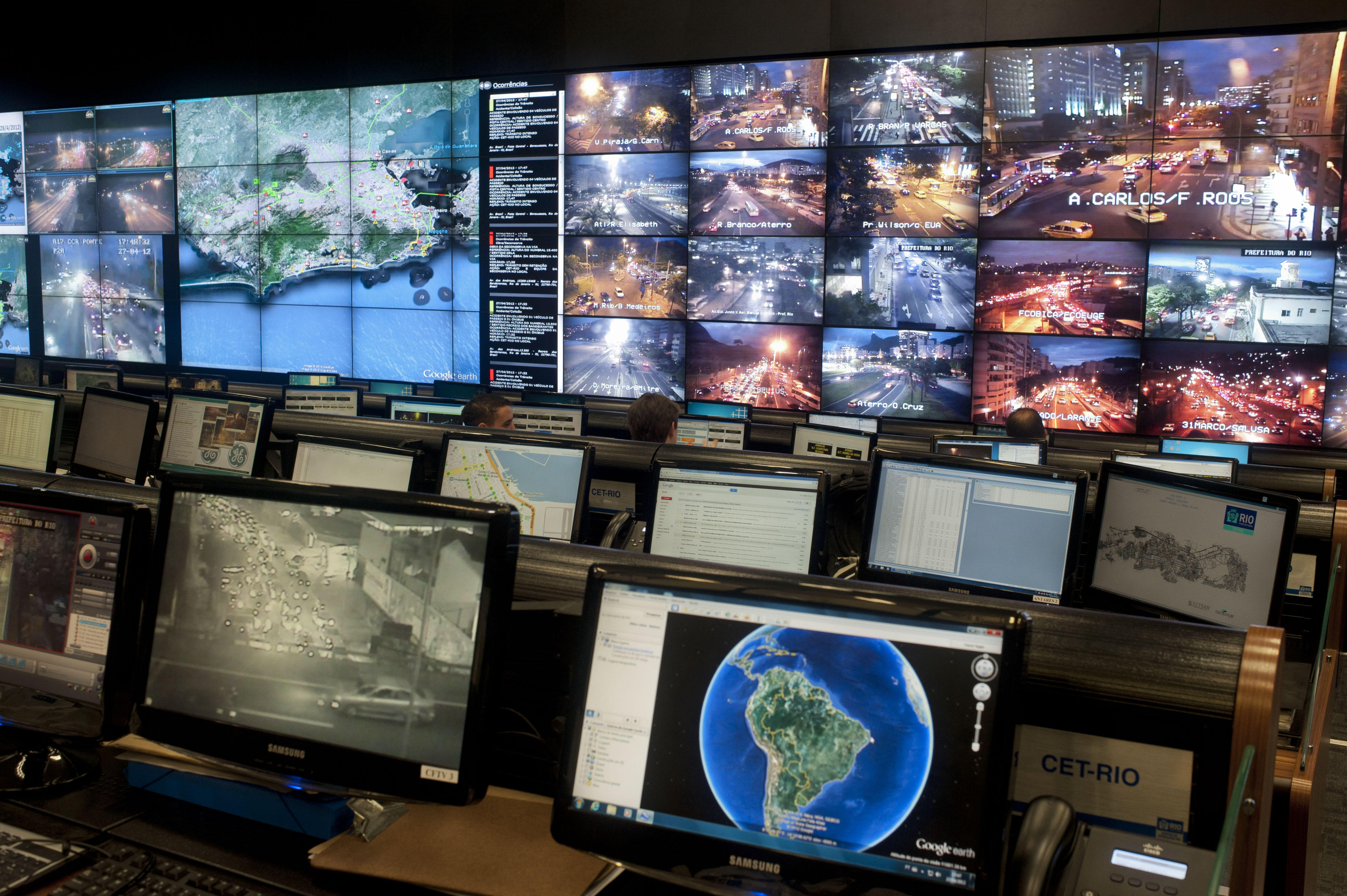
Cyber warfare has emerged as a new battlefield in modern defence. Instead of physical attacks, cyber warfare targets digital infrastructure such as communication networks, power grids, and financial systems.
Common Cyber Threats in Defence
- Malware attacks
- Data breaches
- Network disruptions
- Information warfare
Modern military forces invest heavily in cybersecurity technologies to protect national infrastructure.
Cyber defence includes:
- Encryption systems
- Network monitoring tools
- AI-based threat detection
- Secure communication protocols
Cyber warfare has become one of the most critical components of national security strategies.
Advanced Weapons and Smart Warfare Systems


Modern military technology has significantly improved weapon precision and effectiveness.
Precision-Guided Weapons
Smart weapons use GPS and laser guidance systems to accurately strike targets while minimizing collateral damage.
Hypersonic Weapons
Hypersonic missiles travel at extremely high speeds, making them difficult to intercept.
Directed Energy Weapons
Laser-based systems are being developed to destroy drones and missiles using focused energy beams.
These advanced systems are designed to improve efficiency while reducing unnecessary destruction.
Communication Technology in Military Operations
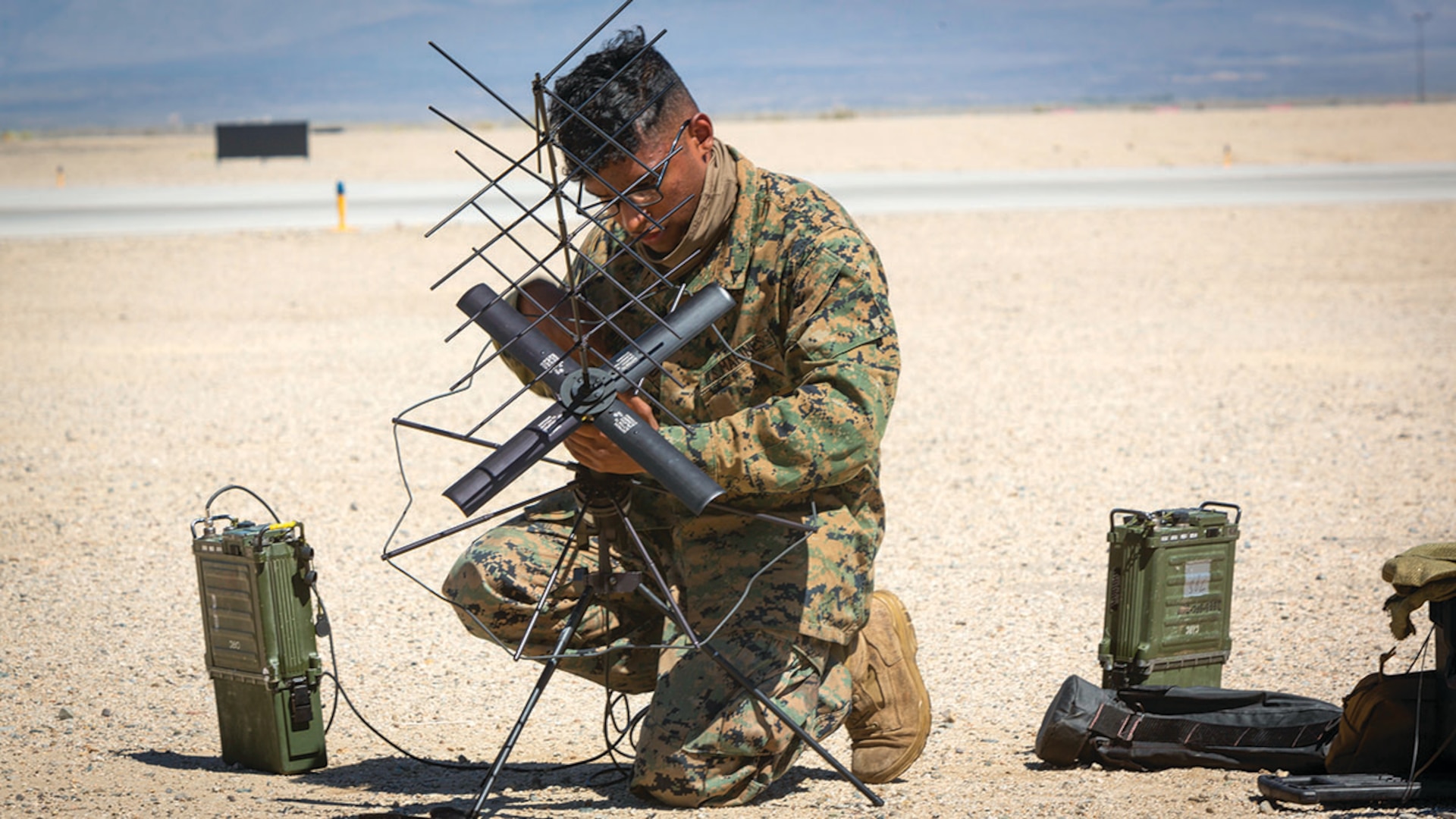
Effective communication is essential for successful military operations. Modern technology enables secure and real-time communication between command centers and deployed forces.
Modern Military Communication Tools
- Satellite communication systems
- Encrypted radio networks
- Digital battlefield management systems
- Real-time video transmission
Advanced communication systems help coordinate operations more efficiently and reduce delays in decision-making.
Role of Simulation and Virtual Reality in Military Training
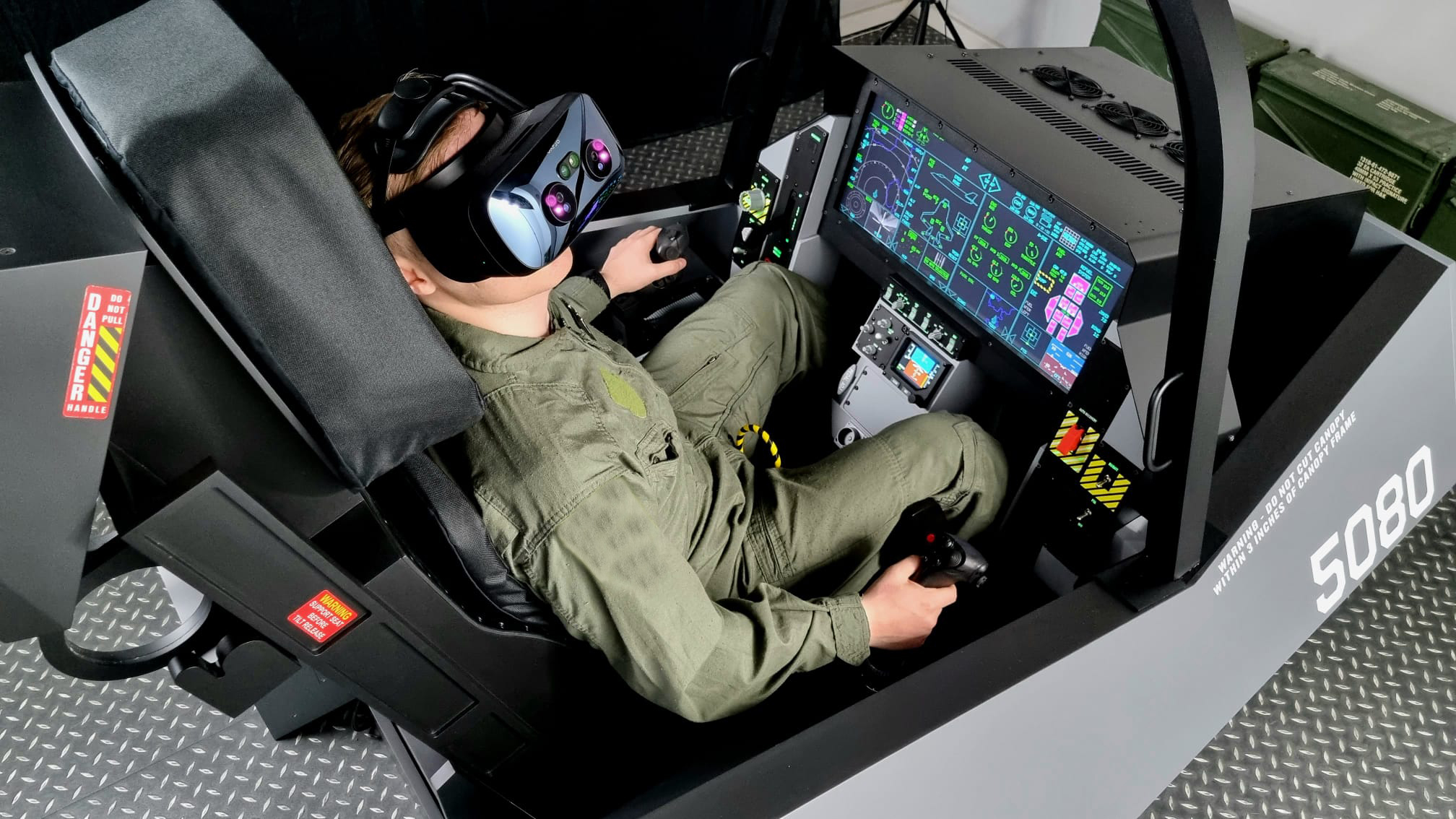

Simulation technologies have transformed military training methods.
Virtual Reality (VR) and Augmented Reality (AR) allow soldiers to practice complex scenarios without real-world risks.
Benefits of Simulation Training
- Cost-effective training environments
- Safe simulation of dangerous scenarios
- Improved skill development
- Realistic battlefield conditions
Simulation systems are widely used for pilot training, combat exercises, and strategic planning.
Advantages of Technology in Defence
Technology provides several key benefits in modern military operations.
Increased Precision
Smart weapons and AI systems improve targeting accuracy.
Reduced Human Risk
Unmanned systems allow dangerous missions to be completed without exposing soldiers to harm.
Faster Decision-Making
Real-time data analysis helps military leaders respond quickly to threats.
Improved Surveillance
Satellite and drone systems provide continuous monitoring capabilities.
Challenges and Risks of Military Technology
Despite its benefits, advanced military technology also presents challenges.
High Development Costs
Developing advanced systems requires significant financial investment.
Cybersecurity Risks
Digital systems are vulnerable to cyber attacks.
Ethical Concerns
Autonomous weapons raise ethical questions about machine-based decision-making.
Technology Dependency
Overreliance on technology may create vulnerabilities if systems fail or are compromised.
Balancing technological advancement with ethical and security concerns remains a major global challenge.
Future of Technology in Defence and Military
The future of defence technology is expected to be driven by innovation in artificial intelligence, robotics, and advanced computing.
Autonomous Drone Swarms
Drone swarms can coordinate using AI to perform complex missions collaboratively.
Quantum Computing
Quantum technology may improve encryption and intelligence analysis.
Wearable Military Technology
Smart helmets and exoskeleton suits may enhance soldier performance.
Fully Networked Warfare
Future battlefields will rely on integrated digital systems connecting soldiers, vehicles, and command centers.
Technology will continue to reshape defence strategies across the world.
Conclusion
Technology has become the backbone of modern defence and military operations. From artificial intelligence and robotics to cybersecurity and satellite systems, advanced technologies help nations protect their borders, improve operational efficiency, and reduce risks for military personnel.
Modern warfare is no longer limited to physical combat—it now includes digital, space, and autonomous domains. As innovations continue to emerge, military forces must adapt to new technological environments while addressing ethical and security challenges.
The future of defence will depend heavily on intelligent systems, automation, and global technological collaboration. Technology will not only define military strength but also shape how nations maintain peace and security in an increasingly complex world.