
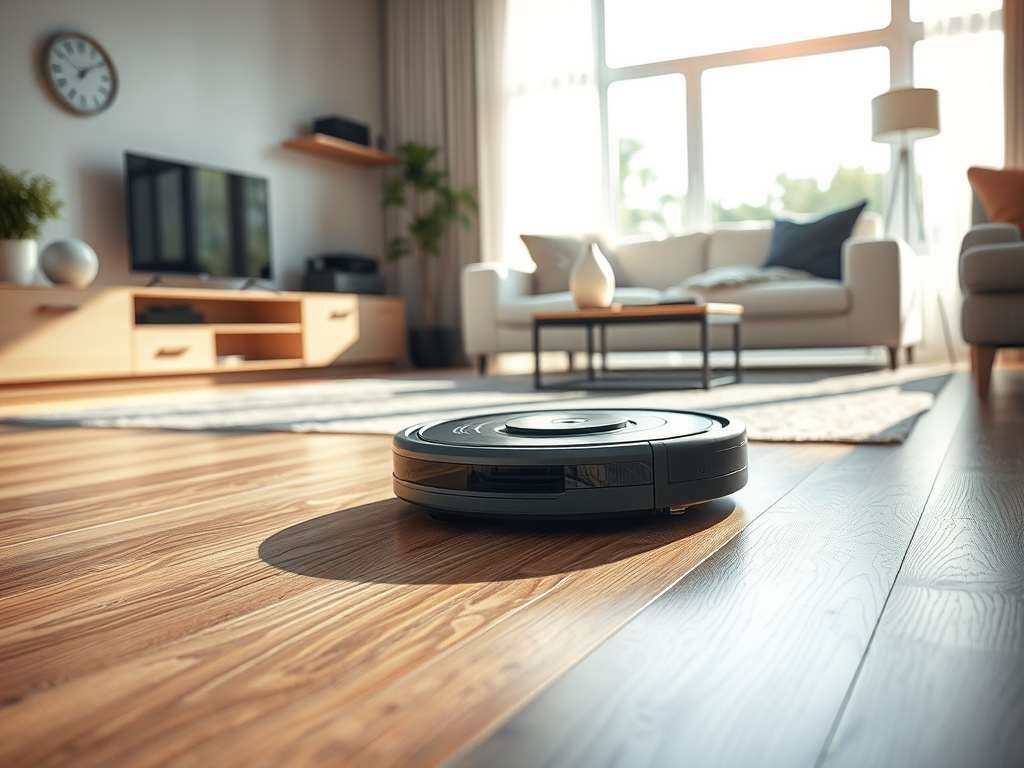
House cleaning has always been a time-consuming part of daily life. From sweeping floors with handmade brooms to using electric vacuum cleaners, technology has continually evolved to reduce human effort. One of the most transformative developments in modern home automation is the house cleaning robot—autonomous machines designed to perform tasks such as vacuuming, mopping, and even window cleaning with minimal human intervention.
Over the last two decades, house cleaning robots have evolved from simple automated gadgets into intelligent devices powered by sensors, artificial intelligence (AI), and advanced mapping systems. These machines are now becoming a central component of smart homes, integrating with voice assistants and home automation ecosystems.
This article explores the evolution of house cleaning robots, their underlying technologies, their impact on everyday life, and what the future holds for robotic cleaning systems.
Early Concepts of Automated Cleaning
The idea of automated cleaning existed long before practical robotics became available. Early automation attempts focused on mechanical tools rather than intelligent systems. For example, early vacuum cleaners in the early 1900s were bulky machines requiring manual operation. As electronics advanced during the late 20th century, engineers began experimenting with autonomous movement and sensor-based navigation.
Before fully autonomous robots emerged, several intermediate technologies paved the way:
- Programmable timers in appliances
- Infrared obstacle detection
- Remote-controlled cleaning devices
- Early robotic prototypes developed in research laboratories
These technologies demonstrated that machines could handle repetitive household tasks if they could move safely and avoid obstacles.
The real breakthrough came when robotics, sensors, and compact computing power converged.
The Birth of Modern Robot Vacuum Cleaners

The modern era of house cleaning robots began in 2002 when iRobot introduced the first widely successful robotic vacuum, the Roomba.
The launch of the Roomba marked a turning point because it combined:
- Autonomous navigation
- Compact design
- Affordable pricing
- Consumer-friendly operation
Unlike earlier experimental robots, the Roomba was practical for everyday households.
Key Features of Early Robot Vacuums
Early models included basic but revolutionary capabilities:
- Random Navigation – Instead of mapping a room, robots moved randomly while avoiding obstacles.
- Infrared Sensors – These prevented collisions and helped detect stairs.
- Automatic Charging – Robots returned to their docking stations when battery levels were low.
- Simple Dust Collection Systems – Basic rotating brushes captured dirt and debris.
Although these robots were not highly efficient, they demonstrated that autonomous cleaning was achievable.
As computing power became smaller and cheaper, robot cleaning systems began incorporating advanced technologies that dramatically improved performance.
1. Smart Mapping and Navigation
Modern cleaning robots use advanced mapping systems to navigate efficiently rather than moving randomly.
Key technologies include:
- LiDAR (Light Detection and Ranging)
- Visual SLAM (Simultaneous Localization and Mapping)
- Camera-based navigation
- Gyroscope tracking
These systems allow robots to:
- Create real-time maps of rooms
- Avoid repeated cleaning of the same area
- Detect furniture placement
- Plan optimized cleaning routes
This improvement significantly increased cleaning efficiency.
2. Artificial Intelligence Integration
Artificial intelligence is transforming cleaning robots from automated tools into adaptive machines.
AI allows robots to:
- Recognize surfaces (carpet vs. hardwood)
- Adjust suction power automatically
- Detect objects such as cables or shoes
- Learn cleaning patterns based on user habits
Some models now include machine learning algorithms that improve performance over time.
3. Multi-Function Cleaning Systems
Early robots could only vacuum, but modern systems combine multiple cleaning functions:
- Vacuuming
- Mopping
- Self-emptying dustbins
- Self-cleaning mop pads
- Automatic water control
Hybrid designs have expanded the usefulness of cleaning robots, making them capable of handling larger cleaning tasks.
4. Smart Home Integration
Robot cleaners are now connected devices.
They can integrate with:
- Voice assistants
- Smartphone apps
- Smart home ecosystems
For example, users can:
- Schedule cleaning remotely
- Set no-go zones
- Start cleaning using voice commands
- Monitor cleaning progress in real time
This connectivity has made robotic cleaning part of the broader smart home revolution.
As robotics technology improved, manufacturers expanded beyond vacuum cleaning into other household cleaning applications.
Robotic Mops
Robotic mops use controlled water flow and microfiber pads to clean hard floors. Some advanced models automatically wash and dry their mop pads after each cleaning cycle.
Window Cleaning Robots
Window cleaning robots attach to glass surfaces using suction technology and move in controlled patterns to clean windows safely—even in high-rise buildings.
Pool Cleaning Robots
Autonomous pool cleaners operate underwater, removing debris and scrubbing pool surfaces. These robots demonstrate how automation can extend beyond indoor cleaning environments.
Major Companies Driving Innovation
Several companies have played a significant role in advancing robotic cleaning technology.
Dyson

4
Dyson is known for its high-performance motors and innovative engineering. The company entered the robotic vacuum market with advanced vision-based navigation and strong suction power.
Samsung Electronics
4
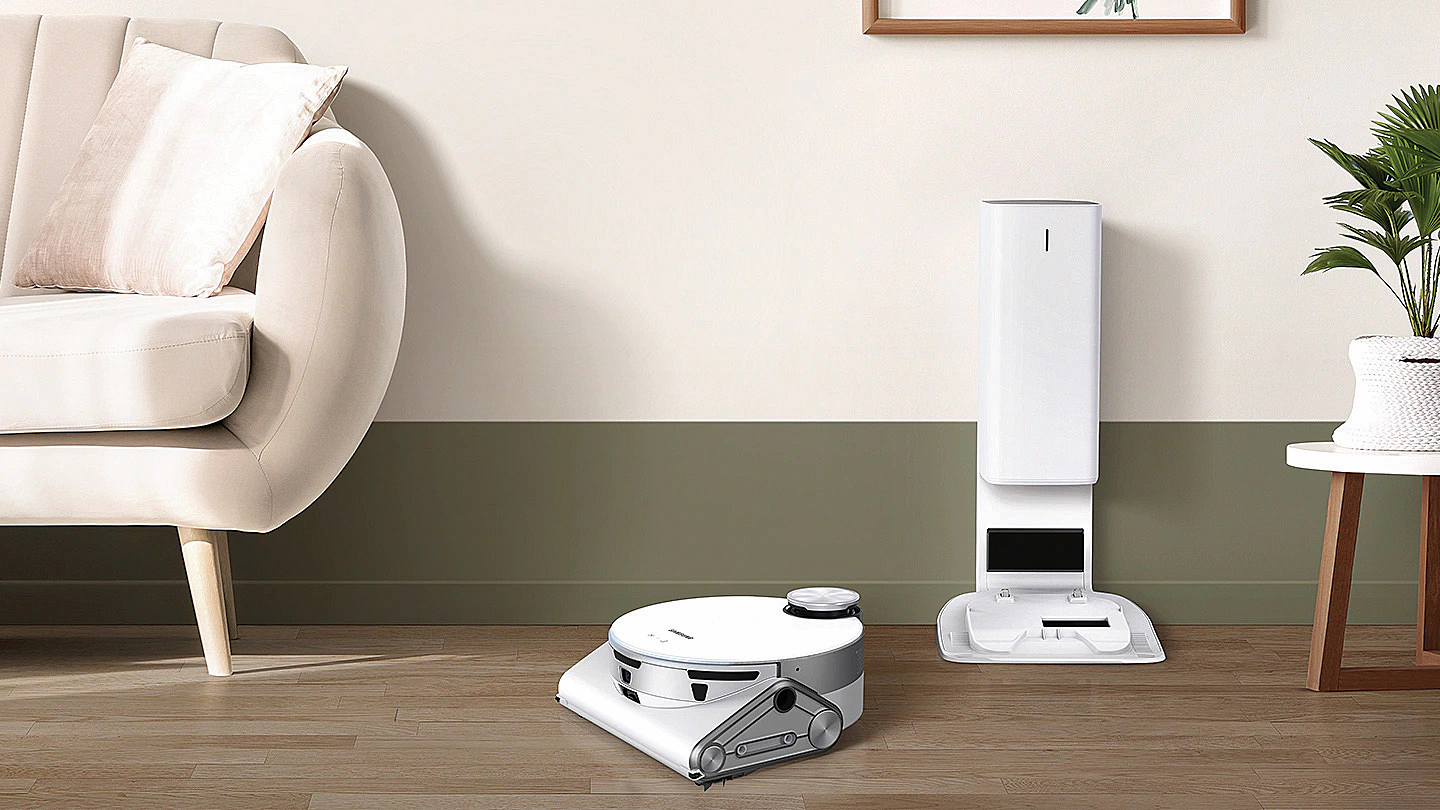
Samsung has integrated AI object recognition into its robotic cleaners, allowing them to detect and avoid small objects more effectively.
Ecovacs Robotics

4
Ecovacs has pioneered multi-functional robots combining vacuuming and mopping with self-cleaning docking stations.
Benefits of House Cleaning Robots
House cleaning robots offer several practical advantages that contribute to their growing popularity.
Time Savings
Robots perform routine cleaning tasks automatically, allowing users to focus on more important activities.
Consistent Cleaning
Because they can operate daily, cleaning robots help maintain consistent cleanliness levels.
Accessibility
Cleaning robots are particularly beneficial for:
- Elderly individuals
- People with mobility challenges
- Busy households
Automation makes cleaning easier and less physically demanding.
Improved Indoor Hygiene
Frequent cleaning reduces dust accumulation and allergens, improving indoor air quality.
Advanced filters, including HEPA filters, help capture microscopic particles.
Challenges and Limitations
Despite rapid advancements, cleaning robots still face several challenges.
Navigation in Complex Environments
Cluttered homes with cables, toys, and irregular furniture layouts can reduce efficiency.
Deep Cleaning Limitations
Robot vacuums are excellent for maintenance cleaning but may not fully replace traditional deep cleaning methods.
Cost Barriers
High-end models with advanced AI and self-cleaning features can be expensive.
Maintenance Requirements
Users still need to:
- Empty dustbins (unless auto-empty systems are included)
- Clean brushes
- Replace filters
Thus, robots reduce—but do not eliminate—manual work.
The Role of Artificial Intelligence in Future Cleaning Robots

4
Artificial intelligence will be the most important factor shaping the next generation of cleaning robots.
Future systems are expected to include:
- Advanced object recognition
- Behavior prediction
- Voice interaction
- Personalized cleaning routines
Robots may soon learn user preferences such as:
- Cleaning schedules based on daily routines
- High-traffic areas requiring more frequent cleaning
- Seasonal cleaning adjustments
AI will also allow robots to collaborate with other smart devices in the home.
Future Trends in House Cleaning Robots
The next decade will likely bring dramatic changes to robotic cleaning technology.
1. Fully Autonomous Cleaning Systems
Future robots may operate with almost zero human involvement, automatically:
- Refilling water tanks
- Emptying waste
- Cleaning themselves
- Detecting maintenance needs
2. Multi-Robot Collaboration
Homes may use multiple specialized robots working together:
- Vacuum robots
- Mop robots
- Air purification robots
These systems could coordinate tasks for faster and more efficient cleaning.
3. Humanoid Cleaning Robots
Although still experimental, humanoid robots could eventually perform complex tasks such as:
- Folding laundry
- Organizing objects
- Cleaning surfaces beyond floors
Advancements in robotics and AI are making this possibility increasingly realistic.
4. Integration with Smart Cities and IoT
As Internet of Things (IoT) ecosystems expand, cleaning robots may connect to:
- Energy management systems
- Security systems
- Environmental monitoring tools
This integration will further automate home management.
Environmental Impact of Cleaning Robots
House cleaning robots also have environmental implications.
Positive Effects
- Efficient energy usage
- Reduced need for disposable cleaning products
- Optimized cleaning patterns reducing waste
Concerns
- Electronic waste
- Battery disposal
- Manufacturing footprint
Future developments are expected to focus on:
- Eco-friendly materials
- Longer battery life
- Recyclable components
Conclusion
House cleaning robots have evolved from simple automated vacuum devices into intelligent systems capable of transforming how households manage daily chores. Advances in artificial intelligence, smart navigation, and automation have made robotic cleaners more efficient, accessible, and practical than ever before.
While these robots still have limitations, rapid technological progress suggests that fully autonomous home cleaning is not far away. In the coming years, cleaning robots will likely become central components of smart homes, working seamlessly alongside other automated systems.
As technology continues to advance, the vision of homes that clean themselves—with minimal human involvement—is steadily becoming a reality.