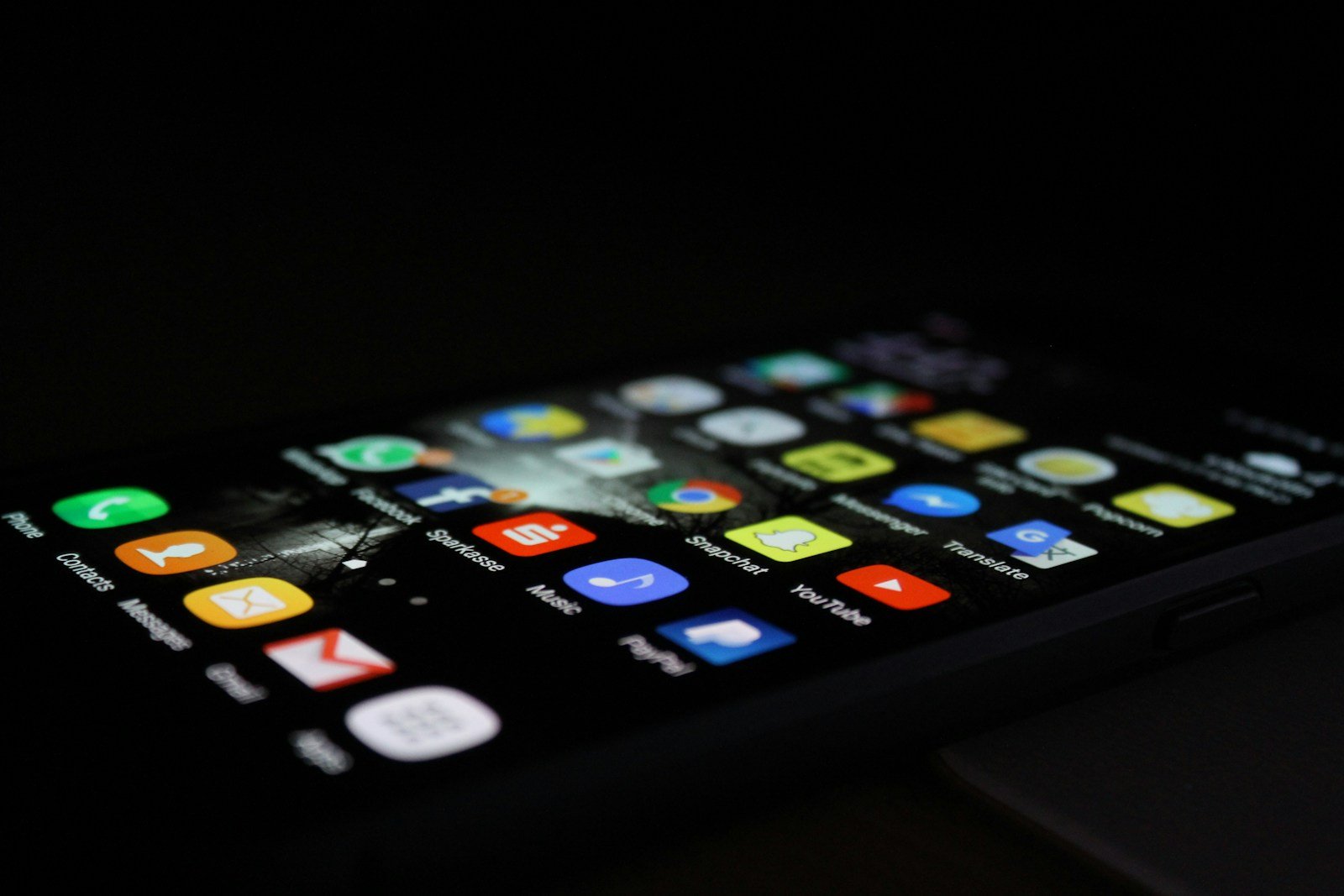
Mobile technology has become one of the most influential innovations in human history. From bulky mobile phones used only for voice calls to powerful smartphones capable of performing complex tasks, the evolution of mobile technology has transformed the way people communicate, work, learn, shop, and entertain themselves.
Today, smartphones are more than communication devices. They are personal assistants, cameras, entertainment centers, navigation systems, health trackers, and productivity tools all combined into a single device. Mobile technology continues to evolve rapidly, introducing new features, faster connectivity, advanced artificial intelligence, and innovative designs that shape the future of digital communication.
The mobile industry has experienced extraordinary growth over the past few decades. Every year, manufacturers introduce devices with improved performance, enhanced security, better cameras, and smarter software. As technology advances, smartphones are becoming increasingly powerful and integrated into everyday life.
This article explores the evolution of mobile technology, key innovations that have transformed smartphones, and the future trends that will continue to reshape the mobile industry.
The Early Days of Mobile Phones
The history of mobile technology began with simple devices designed primarily for voice communication.
First Generation Mobile Phones
The earliest mobile phones were large, heavy, and expensive. They offered basic calling functionality and were mainly used by businesses and government organizations.
These first-generation devices had several limitations:
- Short battery life
- Limited coverage
- Poor call quality
- High costs
- Large physical size
Despite these challenges, early mobile phones represented a revolutionary step toward wireless communication.
The Rise of Portable Communication
As technology improved, mobile phones became smaller, lighter, and more affordable. This allowed more consumers to adopt mobile communication and paved the way for future innovations.
The development of digital networks significantly improved call quality and network reliability, making mobile phones increasingly practical for everyday use.
The Evolution from Feature Phones to Smartphones
The introduction of feature phones marked an important stage in mobile technology.
New Features Beyond Calling
Manufacturers began adding features such as:
- Text messaging
- Contact storage
- Calendars
- Alarms
- Simple games
- Internet browsing
These devices became increasingly popular because they offered more functionality than traditional mobile phones.
Mobile Internet Begins
The ability to access the internet through mobile devices transformed communication and information access. Although early mobile internet connections were relatively slow, they represented the beginning of the mobile digital revolution.
Birth of the Smartphone Era
The launch of modern smartphones changed the mobile industry forever. Touchscreen interfaces, advanced operating systems, and application ecosystems created entirely new possibilities for users.
Smartphones evolved from communication tools into powerful computing devices capable of supporting a wide range of personal and professional activities.
Advances in Mobile Hardware
One of the primary drivers of mobile technology evolution is continuous improvement in hardware.
Faster Processors
Modern smartphones feature highly advanced processors capable of performing billions of calculations per second.
Benefits include:
- Faster app performance
- Improved gaming experiences
- Enhanced multitasking
- Better energy efficiency
- Advanced AI processing
The evolution of mobile processors has significantly increased smartphone capabilities.
Improved Memory and Storage
Early mobile phones had extremely limited storage capacity. Today’s smartphones offer hundreds of gigabytes of storage and substantial memory for running demanding applications.
Users can now store:
- Photos
- Videos
- Documents
- Applications
- Games
- Cloud-synced content
This increased storage has expanded the usefulness of mobile devices.
Enhanced Battery Technology
Battery improvements have played a critical role in smartphone evolution.
Modern advancements include:
- Longer battery life
- Fast charging
- Wireless charging
- Energy-efficient components
- Smart power management systems
Battery innovation continues to be a major focus for smartphone manufacturers.
The Evolution of Mobile Displays
Display technology has undergone remarkable transformation.
From Small Screens to Large Displays
Early mobile phones featured small monochrome screens with limited functionality.
Today’s smartphones offer:
- High-resolution displays
- Large screen sizes
- Touchscreen interfaces
- OLED technology
- HDR support
- High refresh rates
These improvements enhance user experiences across entertainment, gaming, productivity, and communication.
Foldable Smartphone Technology
Foldable displays represent one of the newest innovations in mobile technology.
Benefits include:
- Larger viewing areas
- Enhanced multitasking
- Improved portability
- Flexible form factors
As foldable technology matures, it may become a significant part of the future smartphone market.
Mobile Camera Technology Revolution
One of the most dramatic areas of smartphone evolution is camera technology.
From Basic Cameras to Professional Photography
Early mobile cameras produced low-quality images with limited functionality.
Modern smartphone cameras now feature:
- Multiple lenses
- High-resolution sensors
- Optical image stabilization
- Night photography modes
- Artificial intelligence enhancements
- Professional video recording
Many smartphones now rival traditional digital cameras in image quality.
AI-Powered Photography
Artificial intelligence enhances mobile photography by automatically adjusting settings, improving image quality, and identifying scenes.
AI helps users capture better photos without requiring advanced photography skills.
Mobile Content Creation
The rise of social media has increased demand for high-quality mobile cameras.
Today, creators use smartphones for:
- Photography
- Video production
- Live streaming
- Social media content
- Professional marketing materials
Smartphone cameras have become essential tools for digital content creation.
The Impact of Mobile Applications
Applications have transformed smartphones into versatile digital platforms.
App Ecosystems
Mobile app stores provide access to millions of applications covering:
- Productivity
- Education
- Entertainment
- Health
- Finance
- Social networking
Apps have expanded the functionality of smartphones far beyond communication.
Business and Productivity Apps
Professionals can now manage work tasks directly from their mobile devices.
Popular activities include:
- Email management
- Video conferencing
- Document editing
- Project management
- Cloud collaboration
Mobile technology supports flexible work environments and remote productivity.
Educational Applications
Students use smartphones to access learning resources, online courses, and educational tools.
Mobile learning continues to grow as technology becomes more accessible worldwide.
The Evolution of Mobile Connectivity
Connectivity advancements have played a major role in smartphone development.
2G Networks
Second-generation networks introduced digital communication and text messaging capabilities.
3G Networks
Third-generation technology enabled mobile internet access and multimedia services.
4G Revolution
Fourth-generation networks provided high-speed internet, supporting video streaming, online gaming, and cloud applications.
The Rise of 5G
5G technology offers:
- Faster speeds
- Lower latency
- Greater network capacity
- Enhanced reliability
5G is enabling innovations such as smart cities, autonomous vehicles, and advanced IoT applications.
Artificial Intelligence in Smartphones
Artificial intelligence has become an integral part of modern mobile devices.
Smart Assistants
AI-powered assistants help users:
- Set reminders
- Manage schedules
- Answer questions
- Control smart devices
These tools improve convenience and productivity.
Personalized Experiences
AI analyzes user behavior to provide personalized recommendations and optimized experiences.
Enhanced Security
Artificial intelligence supports advanced security features such as facial recognition and behavioral authentication.
As AI continues to evolve, smartphones will become even more intelligent and responsive.
Mobile Security Advancements
As smartphones store increasing amounts of personal information, security has become a priority.
Biometric Authentication
Modern devices use:
- Fingerprint scanners
- Facial recognition
- Voice recognition
These technologies improve both security and convenience.
Secure Payments
Mobile payment systems use encryption and tokenization to protect financial transactions.
Privacy Protection
Manufacturers continue developing stronger privacy controls and security features to protect user data.
Mobile security remains a critical aspect of smartphone evolution.
Smartphones and Everyday Life
Mobile technology has transformed nearly every aspect of daily life.
Communication
People can connect instantly through calls, messaging apps, and video conferencing.
Entertainment
Smartphones provide access to:
- Movies
- Music
- Games
- Social media
- Streaming services
Navigation
GPS technology allows users to navigate efficiently and discover nearby services.
Shopping
Mobile commerce enables consumers to purchase products and services from anywhere.
Banking
Mobile banking apps simplify financial management and transactions.
Smartphones have become essential tools for modern living.
The Role of Smartphones in Business
Businesses increasingly rely on mobile technology.
Remote Work
Employees can collaborate from anywhere using mobile devices and cloud-based tools.
Customer Engagement
Businesses communicate with customers through mobile applications and messaging platforms.
Mobile Marketing
Companies use smartphones to deliver personalized advertisements and promotions.
Mobile Commerce Growth
The rise of mobile shopping has transformed retail and consumer behavior.
Smartphones continue to play a central role in digital business strategies.
Emerging Mobile Technologies
Several emerging technologies are shaping the future of smartphones.
Augmented Reality
AR overlays digital information onto real-world environments.
Applications include:
- Gaming
- Education
- Retail
- Healthcare
Virtual Reality Integration
Mobile devices increasingly support immersive virtual experiences.
Advanced AI Processing
Future smartphones will feature more powerful AI capabilities for automation and personalization.
Satellite Connectivity
Emerging technologies may enable smartphones to communicate directly with satellites for enhanced global coverage.
These innovations are expanding smartphone capabilities beyond traditional communication.
Challenges Facing Mobile Technology
Despite remarkable progress, the mobile industry faces several challenges.
Battery Limitations
Consumers continue demanding longer battery life and faster charging solutions.
Privacy Concerns
The collection of personal data raises important privacy and ethical questions.
Electronic Waste
The growing number of devices contributes to environmental concerns.
Cybersecurity Threats
Mobile devices remain targets for hackers and cybercriminals.
Addressing these challenges is essential for sustainable technological growth.
The Future of Mobile Technology
The future of mobile technology promises exciting innovations.
AI-Powered Devices
Future smartphones will become increasingly intelligent and context-aware.
Flexible Displays
Advanced display technologies may lead to new device designs and form factors.
Faster Networks
Future generations of wireless networks will provide even greater speed and connectivity.
Improved Sustainability
Manufacturers are focusing on environmentally friendly materials and energy-efficient technologies.
Human-Machine Integration
Emerging technologies may create more seamless interactions between users and digital systems.
The smartphone of the future will likely be more powerful, connected, and personalized than ever before.
Conclusion
The evolution of mobile technology has transformed smartphones from simple communication devices into powerful digital companions that support nearly every aspect of modern life. Advances in hardware, software, connectivity, artificial intelligence, camera systems, and security have dramatically expanded smartphone capabilities.
Mobile technology continues to evolve at a rapid pace, driving innovation across industries and improving how people communicate, work, learn, shop, and entertain themselves. The introduction of 5G, AI-powered features, foldable displays, augmented reality, and advanced mobile applications demonstrates the industry’s commitment to continuous innovation.
As new technologies emerge, smartphones will become even more intelligent, efficient, and integrated into everyday life. The future of mobile technology promises exciting opportunities that will further reshape the digital world and redefine how people interact with technology.
The journey of mobile evolution is far from over, and the next generation of innovations will continue to push the boundaries of what smartphones can achieve.