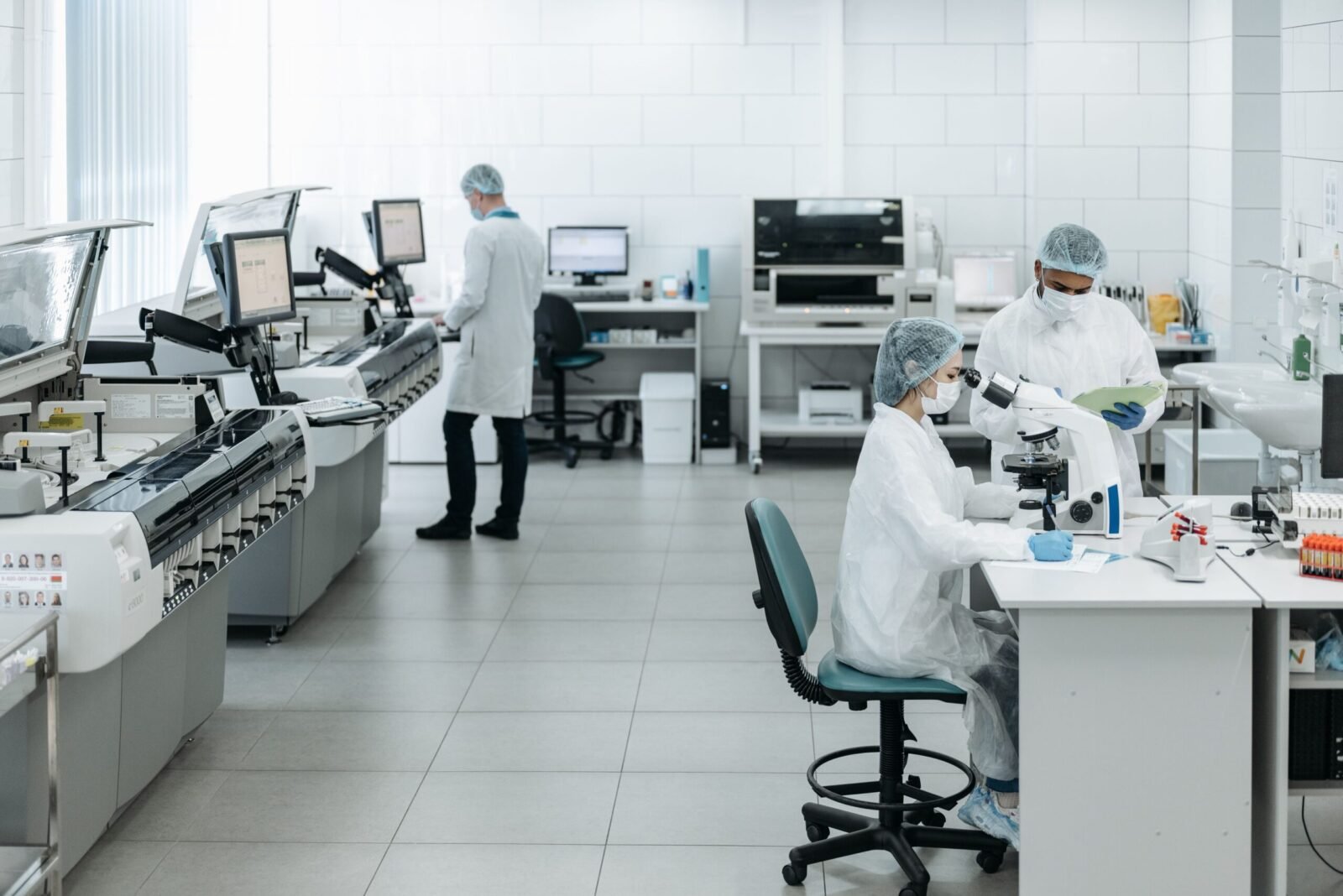
Technology has transformed nearly every aspect of modern life, and the medical field is one of the greatest beneficiaries of this transformation. Over the past few decades, technological advancements have revolutionized healthcare by improving diagnosis, treatment, patient care, medical research, and hospital management. What once seemed impossible is now a reality, thanks to innovations such as artificial intelligence, robotic surgery, telemedicine, wearable devices, and advanced medical imaging systems.
Today, healthcare professionals can diagnose diseases earlier, perform complex surgeries with greater precision, monitor patients remotely, and access vast amounts of medical information within seconds. Technology is not only helping doctors and nurses provide better care but is also empowering patients to take greater control of their health.
As healthcare challenges continue to grow due to increasing populations, aging societies, and emerging diseases, technology is playing a critical role in improving healthcare outcomes and making medical services more accessible. This article explores how technology is helping the medical field and shaping the future of healthcare.
The Evolution of Medical Technology
Medical technology has come a long way from simple diagnostic tools and basic treatment methods. In the past, healthcare professionals relied heavily on physical examinations and limited laboratory tests to diagnose illnesses. Surgical procedures often involved significant risks, and communication between healthcare providers was slow.
Today, advanced technologies allow healthcare providers to detect diseases earlier, perform minimally invasive surgeries, analyze large amounts of patient data, and collaborate globally in real time. Modern healthcare systems are increasingly driven by digital technologies that improve efficiency, accuracy, and patient outcomes.
The integration of computers, artificial intelligence, cloud computing, robotics, and data analytics has created a new era of healthcare innovation.
Improved Disease Diagnosis
One of the most important contributions of technology in medicine is improved disease diagnosis.
Advanced Medical Imaging
Medical imaging technologies such as X-rays, CT scans, MRI scans, and ultrasound systems allow doctors to view internal organs and tissues without invasive procedures. These technologies help identify diseases, injuries, and abnormalities with remarkable accuracy.
Early Detection of Diseases
Technology enables healthcare professionals to detect conditions such as cancer, heart disease, and neurological disorders at earlier stages. Early diagnosis often increases treatment success rates and improves patient survival.
Artificial Intelligence in Diagnosis
Artificial intelligence systems can analyze medical images, laboratory results, and patient records to identify patterns that may indicate disease. AI-assisted diagnosis helps healthcare professionals make faster and more accurate decisions.
Laboratory Automation
Modern laboratories use automated equipment to process samples efficiently and accurately. This reduces human error and speeds up diagnostic testing.
These advancements allow healthcare providers to diagnose illnesses more effectively and begin treatment sooner.
Telemedicine: Healthcare Without Borders
Telemedicine has become one of the most significant innovations in modern healthcare.
Remote Consultations
Patients can communicate with doctors through video calls, phone consultations, and online healthcare platforms. This is especially beneficial for individuals living in remote or underserved areas.
Increased Accessibility
Telemedicine makes healthcare services available to people who may have difficulty traveling due to distance, disability, or health conditions.
Reduced Healthcare Costs
Virtual consultations often reduce transportation expenses and minimize the need for unnecessary hospital visits.
Improved Continuity of Care
Healthcare providers can monitor patients regularly and provide follow-up care without requiring frequent in-person appointments.
Telemedicine has expanded access to healthcare while improving convenience for both patients and medical professionals.
Artificial Intelligence Transforming Healthcare
Artificial intelligence is rapidly becoming one of the most powerful tools in the medical field.
Predictive Analytics
AI systems can analyze large datasets to predict disease risks and identify patients who may require preventive care.
Medical Image Analysis
Artificial intelligence assists radiologists by detecting abnormalities in medical images with high accuracy.
Drug Discovery
Researchers use AI to accelerate the development of new medications by analyzing complex biological data and identifying potential drug candidates.
Personalized Treatment Plans
AI can help create treatment plans tailored to individual patients based on their medical history, genetics, and lifestyle factors.
By improving decision-making and efficiency, AI is helping healthcare providers deliver better patient care.
Robotic Surgery and Precision Medicine
Technology has dramatically improved surgical procedures through robotic systems and advanced tools.
Enhanced Surgical Precision
Robotic-assisted surgery allows surgeons to perform delicate procedures with greater accuracy and control.
Minimally Invasive Procedures
Many robotic surgeries require smaller incisions, reducing pain, blood loss, and recovery times.
Better Patient Outcomes
Patients often experience fewer complications and shorter hospital stays after robotic-assisted procedures.
Improved Surgeon Capabilities
Robotic systems provide enhanced visualization and dexterity, allowing surgeons to perform complex operations more effectively.
The use of robotics is transforming surgery and improving patient safety.
Wearable Health Technology
Wearable devices are empowering individuals to monitor their health in real time.
Fitness Trackers
Wearable devices track physical activity, calories burned, and exercise performance.
Heart Rate Monitoring
Many smartwatches continuously monitor heart rate and alert users to potential irregularities.
Sleep Tracking
Technology helps users understand sleep patterns and improve overall wellness.
Chronic Disease Management
Patients with chronic conditions can use wearable devices to monitor health metrics and share data with healthcare providers.
These technologies encourage preventive healthcare and support healthier lifestyles.
Electronic Health Records (EHRs)
Electronic Health Records have revolutionized patient information management.
Improved Access to Information
Healthcare providers can quickly access complete patient histories, test results, and treatment records.
Enhanced Coordination
EHR systems improve communication among doctors, specialists, and healthcare facilities.
Reduced Medical Errors
Accurate digital records reduce the risk of medication errors and miscommunication.
Better Patient Care
Healthcare professionals can make informed decisions using comprehensive patient information.
Electronic records have significantly improved healthcare efficiency and quality.
Technology in Medical Research
Medical research has benefited enormously from technological advancements.
Big Data Analysis
Researchers can analyze large datasets to identify trends, risk factors, and treatment outcomes.
Genomic Research
Advanced computing technologies support genetic research and personalized medicine.
Faster Clinical Trials
Digital tools help researchers recruit participants, monitor progress, and analyze results more efficiently.
Global Collaboration
Scientists around the world can collaborate through digital platforms, accelerating medical discoveries.
Technology continues to drive innovation in medical research and scientific advancement.
Smart Medical Devices
Smart medical devices are improving patient monitoring and treatment.
Connected Monitoring Systems
Hospitals use connected devices to track patient vital signs continuously.
Smart Insulin Pumps
Diabetes patients can use intelligent insulin delivery systems that automatically adjust medication levels.
Remote Patient Monitoring
Healthcare providers can monitor patients outside hospitals and intervene when necessary.
Improved Emergency Response
Connected devices can alert healthcare professionals when critical health events occur.
These innovations enhance patient safety and improve treatment outcomes.
Technology and Personalized Medicine
Personalized medicine is changing how diseases are treated.
Genetic Testing
Advances in genetics allow healthcare providers to understand individual health risks.
Customized Treatments
Doctors can develop treatment plans tailored to a patient’s unique genetic profile.
Precision Drug Therapy
Medications can be selected based on how an individual is likely to respond.
Better Outcomes
Personalized approaches often lead to more effective treatments and fewer side effects.
Technology is making healthcare more individualized and patient-centered.
Mobile Health Applications
Mobile health applications have become valuable healthcare tools.
Health Tracking
Apps help users monitor exercise, nutrition, hydration, and sleep.
Medication Reminders
Patients receive alerts to take medications on schedule.
Mental Health Support
Many applications provide stress management, meditation, and mental wellness resources.
Access to Medical Information
Users can access reliable health information and communicate with healthcare providers.
Mobile technologies encourage proactive health management.
Improving Hospital Efficiency
Technology helps hospitals operate more effectively.
Automated Scheduling
Digital systems streamline appointment booking and resource allocation.
Inventory Management
Hospitals use technology to track medical supplies and equipment.
Workflow Optimization
Automation reduces administrative burdens and allows healthcare staff to focus on patient care.
Real-Time Data Access
Healthcare professionals can access critical information instantly.
Improved efficiency contributes to better patient experiences and lower operational costs.
Technology in Emergency Medicine
Emergency healthcare services rely heavily on technology.
Faster Communication
Emergency responders can coordinate more effectively using advanced communication systems.
GPS Navigation
Ambulance teams use GPS technology to reach patients quickly.
Portable Diagnostic Equipment
Emergency personnel can assess patient conditions before arriving at hospitals.
Real-Time Data Sharing
Patient information can be transmitted directly to emergency departments.
Technology helps save lives by improving response times and treatment decisions.
Virtual Reality and Augmented Reality in Medicine
Virtual Reality (VR) and Augmented Reality (AR) are creating new opportunities in healthcare.
Medical Training
Students and healthcare professionals can practice procedures in realistic virtual environments.
Surgical Planning
Surgeons use advanced visualization technologies to prepare for complex operations.
Pain Management
VR therapy is being used to reduce pain and anxiety in certain patients.
Rehabilitation Programs
Immersive technologies support physical therapy and recovery.
These innovations improve education, treatment, and patient experiences.
Benefits of Technology in Healthcare
The growing use of technology in medicine offers numerous advantages.
Improved Accuracy
Advanced tools reduce diagnostic and treatment errors.
Greater Accessibility
Technology brings healthcare services to underserved populations.
Faster Treatment
Healthcare providers can diagnose and treat conditions more quickly.
Enhanced Patient Engagement
Patients have greater access to information and healthcare resources.
Cost Efficiency
Automation and digital solutions help reduce healthcare expenses.
Better Outcomes
Improved diagnosis, monitoring, and treatment contribute to healthier populations.
These benefits demonstrate why technology has become essential in modern healthcare.
Challenges and Considerations
Despite its advantages, healthcare technology also presents challenges.
Data Privacy
Protecting patient information is a critical concern.
Cybersecurity Risks
Healthcare systems are vulnerable to cyberattacks and data breaches.
Implementation Costs
Advanced technologies can require significant financial investment.
Training Requirements
Healthcare professionals must learn how to use new technologies effectively.
Ethical Considerations
The use of artificial intelligence and patient data raises important ethical questions.
Addressing these challenges is essential for maximizing the benefits of healthcare technology.
The Future of Medical Technology
The future of healthcare is expected to be shaped by continued technological innovation.
Artificial Intelligence Expansion
AI will become more sophisticated in diagnosis, treatment planning, and research.
Advanced Robotics
Future robotic systems may perform increasingly complex medical procedures.
Digital Health Ecosystems
Connected healthcare platforms will improve communication and patient management.
Predictive Medicine
Technology will help identify diseases before symptoms appear.
Personalized Healthcare
Genetic analysis and advanced diagnostics will support highly individualized treatment plans.
Smart Hospitals
Future hospitals will use interconnected systems to optimize patient care and operational efficiency.
These developments promise to make healthcare more effective, accessible, and patient-focused.
Conclusion
Technology is transforming the medical field in remarkable ways. From advanced diagnostic tools and robotic surgery to telemedicine and artificial intelligence, innovation is helping healthcare professionals provide better care and achieve improved patient outcomes.
Medical technology enhances accuracy, increases efficiency, reduces costs, and expands access to healthcare services. Patients can monitor their health through wearable devices, consult doctors remotely, and benefit from personalized treatment plans designed specifically for their needs.
As technology continues to evolve, its impact on healthcare will only grow stronger. Future innovations will further improve disease prevention, diagnosis, treatment, and patient care. By embracing technological advancements responsibly, the medical community can continue to improve the quality of life for millions of people around the world.
The partnership between medicine and technology is shaping a healthier future, making healthcare more accessible, effective, and innovative than ever before.