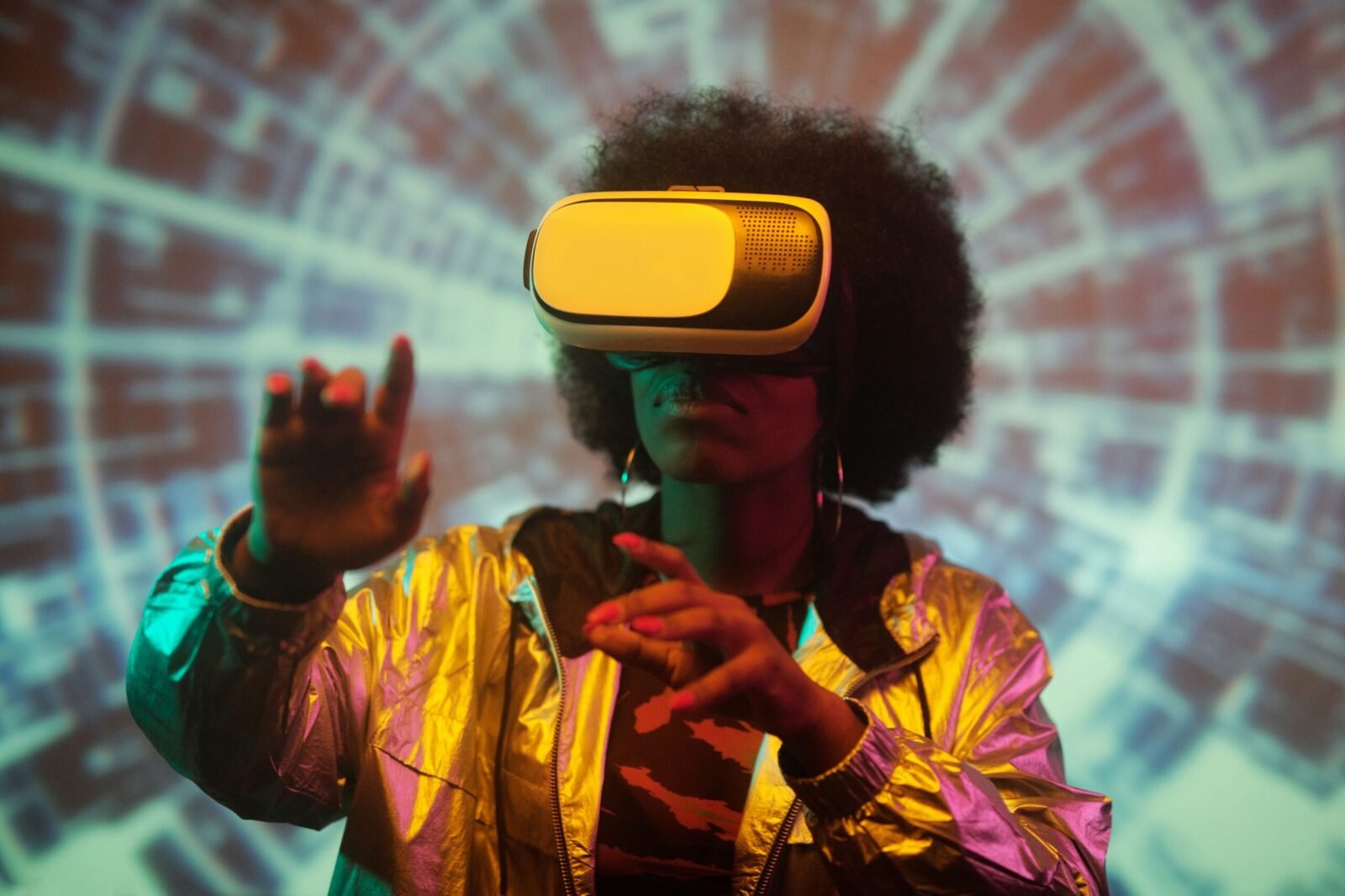
Technology has become an essential part of modern life. From the moment we wake up until we go to sleep, technology influences almost every activity we perform. Whether it is checking the weather on a smartphone, attending online meetings, shopping through e-commerce platforms, communicating with loved ones, or managing finances digitally, technology has transformed the way people live, work, and interact.
The rapid advancement of technology over the past few decades has created countless opportunities for individuals, businesses, governments, and communities. It has improved efficiency, increased access to information, enhanced communication, and provided innovative solutions to everyday challenges. Today, technology is no longer considered a luxury; it is a necessity that supports personal growth, economic development, education, healthcare, and social connectivity.
This article explores the importance of technology in daily life, highlighting its impact on communication, education, healthcare, transportation, business, entertainment, and personal productivity. It also examines how technology continues to shape the future and improve the quality of life for people around the world.
What Is Technology?
Technology refers to the application of scientific knowledge, tools, systems, and methods to solve problems and improve human life. It includes everything from simple tools and machines to advanced digital systems, artificial intelligence, cloud computing, and smart devices.
Technology can be categorized into several areas, including:
- Information Technology (IT)
- Communication Technology
- Medical Technology
- Educational Technology
- Industrial Technology
- Transportation Technology
Each of these fields contributes to making daily tasks easier, faster, and more efficient.
Technology Enhances Communication
One of the most significant contributions of technology is the improvement of communication. In the past, communicating with someone in another city or country could take days or even weeks. Today, people can connect instantly through various digital platforms.
Instant Messaging and Video Calls
Smartphones, messaging applications, and video conferencing tools allow people to communicate in real time regardless of their location. Families stay connected, businesses collaborate across borders, and students can learn remotely through online communication platforms.
Social Media Connectivity
Social media platforms have transformed how people share information, build relationships, and engage with communities. Users can connect with friends, follow news updates, promote businesses, and participate in discussions from anywhere in the world.
Business Communication
Technology has improved workplace communication through email, project management software, virtual meetings, and cloud collaboration tools. Teams can work together efficiently even when they are located in different regions.
As a result, communication has become faster, more convenient, and more accessible than ever before.
Technology Improves Education
Education is one of the sectors that has benefited greatly from technological advancement. Learning is no longer confined to traditional classrooms. Technology has made education more flexible, interactive, and accessible.
Access to Online Learning
Students can access educational resources, courses, and tutorials through online learning platforms. This allows learners to study at their own pace and gain knowledge from experts worldwide.
Digital Learning Resources
Technology provides access to e-books, educational videos, virtual classrooms, and interactive learning tools. These resources make learning more engaging and effective.
Personalized Learning Experiences
Modern educational technologies can adapt learning materials to suit individual student needs. This helps learners understand concepts more effectively and improve their academic performance.
Global Knowledge Access
The internet has made information available to anyone with a connection. Students can conduct research, access scholarly articles, and explore topics beyond their textbooks.
Technology has democratized education by making quality learning opportunities available to millions of people around the world.
Technology Revolutionizes Healthcare
Healthcare technology has significantly improved patient care, diagnosis, treatment, and disease prevention. Medical innovations continue to save lives and enhance healthcare services.
Improved Medical Diagnosis
Advanced medical equipment allows healthcare professionals to detect diseases earlier and more accurately. Early diagnosis often leads to better treatment outcomes.
Telemedicine Services
Patients can consult healthcare providers remotely through telemedicine platforms. This is particularly beneficial for people living in rural or underserved areas.
Electronic Health Records
Digital health records improve the management of patient information. Healthcare providers can access accurate medical histories, reducing errors and improving treatment decisions.
Wearable Health Devices
Smartwatches and fitness trackers help individuals monitor their health by tracking heart rate, physical activity, sleep patterns, and other important health metrics.
Technology continues to enhance healthcare efficiency while improving patient outcomes and accessibility.
Technology Increases Productivity
Productivity is one of the most noticeable benefits of technology in daily life. Digital tools help individuals and organizations accomplish tasks more efficiently.
Task Automation
Automation reduces the need for repetitive manual work. Businesses can automate routine processes, saving time and minimizing errors.
Time Management Tools
Calendars, reminder applications, and productivity software help users organize schedules and manage tasks effectively.
Remote Work Opportunities
Technology enables employees to work from home or other locations through cloud computing, collaboration platforms, and secure internet connections.
Faster Information Processing
Computers and software applications process large amounts of data quickly, allowing users to make informed decisions and complete tasks faster.
By improving efficiency, technology helps people focus on more meaningful and creative activities.
Technology Transforms Transportation
Transportation technology has made travel safer, faster, and more convenient.
Navigation Systems
GPS technology helps drivers find optimal routes, avoid traffic congestion, and reach destinations efficiently.
Smart Transportation Solutions
Modern transportation systems use technology to monitor traffic flow, manage public transportation, and improve road safety.
Ride-Sharing Applications
Transportation apps provide convenient access to rides, reducing the need for personal vehicle ownership in many urban areas.
Advanced Vehicle Safety
Modern vehicles include safety features such as collision detection, lane assistance, automatic braking, and parking assistance systems.
These innovations improve mobility and contribute to safer transportation experiences.
Technology Supports Business Growth
Businesses rely heavily on technology to remain competitive and meet customer expectations.
E-Commerce Expansion
Online shopping platforms allow businesses to reach customers globally. Consumers can purchase products and services from the comfort of their homes.
Digital Marketing
Businesses use digital marketing tools to promote products, engage audiences, and analyze customer behavior.
Data Analytics
Organizations use data analytics to gain insights into market trends, customer preferences, and operational performance.
Customer Relationship Management
Technology helps businesses manage customer interactions, improve service quality, and build long-term relationships.
As technology evolves, businesses continue to discover innovative ways to improve efficiency and profitability.
Technology Enhances Entertainment
Entertainment has been transformed by technological advancements. People now have access to a wide range of digital content anytime and anywhere.
Streaming Services
Movies, television shows, and music can be streamed instantly through digital platforms, eliminating the need for physical media.
Gaming Industry Growth
Video game technology has created immersive experiences through advanced graphics, virtual reality, and online multiplayer features.
Content Creation Opportunities
Technology enables individuals to create and share content through blogs, videos, podcasts, and social media channels.
Personalized Entertainment
Recommendation algorithms help users discover content based on their interests and preferences.
Technology has made entertainment more accessible, interactive, and diverse than ever before.
Technology Improves Financial Management
Managing finances has become easier with the help of technology.
Online Banking
People can transfer funds, pay bills, check account balances, and manage investments through online banking platforms.
Mobile Payment Systems
Digital payment solutions allow users to make secure transactions using smartphones and other devices.
Budgeting Applications
Personal finance apps help individuals track spending, create budgets, and achieve financial goals.
Investment Accessibility
Technology has opened investment opportunities to a wider audience through digital trading platforms and financial education resources.
These tools empower individuals to make informed financial decisions and manage their money more effectively.
Technology Promotes Social Connectivity
Technology plays a crucial role in maintaining relationships and fostering social interaction.
Connecting Families and Friends
Communication tools enable people to stay connected despite geographical distances.
Online Communities
Individuals can join communities that share common interests, hobbies, and goals.
Collaborative Opportunities
Technology facilitates teamwork, networking, and professional collaboration across different industries and countries.
Cultural Exchange
People can learn about different cultures, traditions, and perspectives through online interactions.
By connecting people globally, technology helps build stronger social networks and greater cultural understanding.
Technology Improves Access to Information
Access to information is one of the greatest advantages of modern technology.
Search Engines
Information can be found within seconds through internet search tools.
Digital Libraries
Students, researchers, and professionals can access vast collections of knowledge online.
Real-Time News Updates
Technology allows users to stay informed about current events as they happen.
Skill Development
Individuals can learn new skills through online courses, tutorials, and educational resources.
The ability to access information quickly supports lifelong learning and informed decision-making.
Technology Enhances Home Life
Technology has transformed the way people manage their homes and daily routines.
Smart Home Devices
Smart devices can control lighting, temperature, security systems, and appliances remotely.
Home Security Systems
Advanced security technologies provide surveillance, motion detection, and remote monitoring capabilities.
Energy Efficiency
Smart technologies help homeowners reduce energy consumption and lower utility costs.
Household Convenience
Automated appliances simplify everyday chores and save valuable time.
Technology creates more comfortable, secure, and efficient living environments.
The Role of Technology in Emergency Situations
Technology plays a critical role during emergencies and natural disasters.
Emergency Communication
Authorities can quickly communicate important information to the public through digital channels.
Disaster Monitoring
Advanced monitoring systems help predict and track natural disasters such as hurricanes, earthquakes, and floods.
Emergency Response Coordination
Technology enables emergency services to coordinate rescue operations efficiently.
Medical Emergency Assistance
Mobile applications and emergency alert systems can provide immediate access to medical assistance.
These technological capabilities help protect lives and improve disaster response efforts.
Challenges Associated with Technology
While technology offers numerous benefits, it also presents certain challenges that must be addressed responsibly.
Privacy Concerns
The collection and storage of personal data raise important privacy and security issues.
Cybersecurity Threats
Cyberattacks, identity theft, and online fraud pose risks to individuals and organizations.
Digital Addiction
Excessive use of digital devices can impact mental health, productivity, and personal relationships.
Technology Dependence
Overreliance on technology may reduce certain traditional skills and create vulnerabilities during system failures.
Addressing these challenges requires responsible usage, digital literacy, and strong security practices.
The Future of Technology in Daily Life
The future of technology promises even greater innovations that will continue to transform society.
Artificial Intelligence
AI-powered systems will improve automation, decision-making, customer service, and personalized experiences.
Smart Cities
Connected infrastructure will enhance transportation, energy management, public safety, and urban living.
Advanced Healthcare
Future medical technologies may provide more accurate diagnoses, personalized treatments, and improved patient outcomes.
Sustainable Technology
Innovations focused on sustainability will help address environmental challenges and promote responsible resource use.
As technology continues to evolve, it will create new opportunities for growth, innovation, and improved quality of life.
Conclusion
Technology has become an indispensable part of daily life, influencing how people communicate, learn, work, travel, manage finances, and access information. Its impact extends across every aspect of society, improving efficiency, convenience, productivity, and connectivity.
From education and healthcare to business and entertainment, technology provides solutions that enhance the human experience and support economic development. While challenges such as privacy concerns and cybersecurity risks must be addressed, the overall benefits of technology far outweigh its drawbacks.
As innovation continues to advance, technology will play an even greater role in shaping the future. By embracing technological progress responsibly and effectively, individuals and organizations can unlock new opportunities, improve living standards, and contribute to a more connected and prosperous world.